
Last Updated: August 29, 2026
Spray-on concrete resurfacing delivers durability, aesthetic flexibility, and cost-effectiveness in a single application. This method involves spraying a polymer-modified concrete compound directly over your existing driveway, bonding to the substrate to create a fresh surface without full replacement.
At Spray Pave Pro, we've spent over 23 years perfecting spray-on techniques for Perth's climate. The process handles everything from minor cracks to significant surface deterioration, transforming worn driveways into visually appealing, long-lasting surfaces. Unlike traditional concrete replacement, spray-on resurfacing preserves your existing base, reducing waste and labour costs dramatically.
The spray application creates a seamless finish with exceptional bond strength through proper surface preparation, including pressure cleaning and acid etching. Spray-on finishes come in multiple textures and colours, stamped concrete patterns mimicking brick, stone, or slate, or smooth, polished finishes in charcoal tones, light grey, or custom colours.
Curing time typically runs 24-48 hours before light foot traffic, with full cure at 7 days. The spray method minimises disruption compared to traditional resurfacing, allowing faster project completion.
Spray-on concrete and epoxy represent fundamentally different approaches to driveway restoration, each with distinct longevity profiles.
Spray-on concrete typically lasts 10-15 years when properly maintained and sealed. The lifespan depends on surface preparation quality, UV exposure, and maintenance frequency. The polymer overlay resists cracking better than standard concrete because it flexes slightly with substrate movement, preventing brittle fracturing.
Epoxy flooring generally lasts 5-10 years on exterior driveways. UV rays degrade epoxy resin, causing yellowing and surface breakdown. Moisture penetration through hairline cracks leads to peeling and delamination. Epoxy also becomes slippery when wet, creating safety hazards on driveways.
Spray-on concrete bonds to your existing concrete through mechanical and chemical adhesion, curing as part of the substrate. Epoxy coatings sit atop the surface; any substrate movement causes separation. For Perth driveways, spray-on concrete wins on durability, handling intense UV exposure, moisture fluctuations, and temperature variations without degrading.
Concrete resurfacing cost per square metre varies significantly based on surface condition, finish complexity, and preparation requirements.
Spray-on concrete resurfacing typically ranges from modest to moderate pricing depending on finish type. Simple, smooth spray-on finishes cost less than decorative stamped patterns. Surface preparation, pressure cleaning, crack repair, and acid etching add to the final bill but directly impact durability.
Dulux Avista Resurfacing System offers a DIY-friendly option with component pricing around $60 for a 20kg bag of resurfacing compound, approximately $120 per 10 litres of primer, and roughly $22 per kilogram for colour oxides. These material costs scale with your driveway size, though labour, equipment rental, and sealing add considerably.
StoneSet permeable resin-bound paving typically involves higher upfront investment but delivers premium durability and environmental benefits. All Concrete Resurfacing Perth estimates around $50 per square metre for stencilled concrete work, though actual quotes may vary.
The real cost consideration extends beyond initial installation. A cheaper resurfacing that fails within 3-5 years costs more over time than a properly executed spray-on application lasting 10-15 years. Factor in maintenance, annual sealing, and minor repairs when calculating long-term value.
Deep cracks in concrete driveways require systematic repair before resurfacing to prevent them from reappearing through your new surface.
Step 1: Assess Crack Severity
Hairline cracks (under 3mm) often respond well to simple sealing. Wider cracks (3-6mm) need filling before resurfacing. Cracks exceeding 6mm indicate potential structural issues requiring professional evaluation.
Step 2: Clean the Crack
Use a pressure washer at moderate pressure (1,500-2,000 PSI) to remove debris, algae, and loose concrete. Follow with a vacuum or compressed air to ensure the crack is completely dry.
Step 3: Fill Wide Cracks
For cracks wider than 3mm, use a concrete crack filler or polyurethane sealant. Apply slightly above the surface and smooth with a putty knife. Allow full curing per product instructions, typically 24-48 hours.
Step 4: Sand and Smooth
Once filler cures, sand the repair flush with the surrounding surface to create a seamless transition for resurfacing compound application.
Step 5: Apply Acid Etch
Acid etching opens the concrete's pores, improving bond strength for subsequent resurfacing. Follow product instructions carefully and neutralise the surface thoroughly after etching.
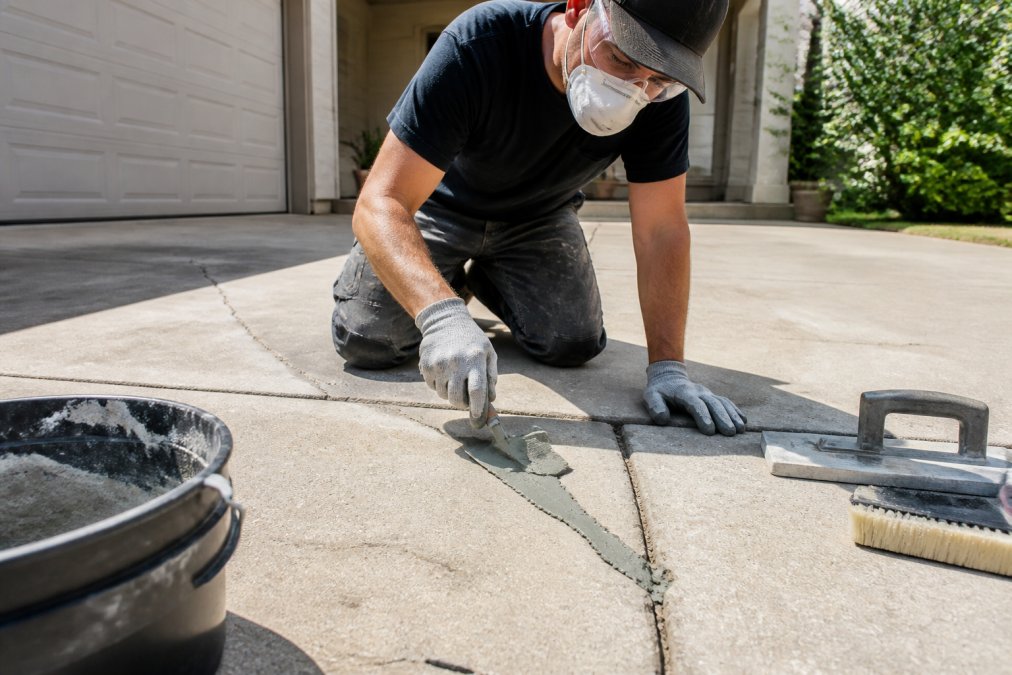
Step 6: Apply Primer
A quality concrete primer creates additional bond strength between the substrate and resurfacing compound. Apply evenly across the entire repair area and allow proper drying time.
Step 7: Apply Resurfacing Compound
Spray or trowel your chosen resurfacing compound according to product specifications. Spray-on applications typically require professional equipment and expertise.
Step 8: Cure and Seal
Allow full curing before exposing the surface to traffic or moisture. Apply a protective sealer once curing completes.
Crack repair demands patience and attention to detail. Rushing through preparation steps results in premature failure.
Sealing concrete driveways represents one of the highest-return maintenance investments available. A quality sealer protects against UV degradation, water penetration, staining, and chemical damage whilst dramatically extending surface life.
Concrete sealers fall into two main categories: penetrating sealers and film-forming coatings. Penetrating sealers absorb into the concrete, providing protection without altering appearance. Film-forming coatings create a visible protective layer, enhancing gloss and colour depth.
Shimicoat AQUAthane Clear Sealer represents a premium Australian-made option. This water-based polyurethane delivers tough, durable protection with excellent moisture and scratch resistance. The semi-gloss finish enhances concrete appearance without excessive shine. At approximately $139 for 5 litres, the water-based formulation offers environmental benefits, low VOC, non-flammable, and Green Star compliant, whilst delivering performance comparable to solvent-based alternatives.
Haymes Paint PaveShield offers quick-drying protection specifically engineered for Australian driveways. The UV-resistant formula prevents chalking and colour fading common in intense sun exposure. PaveShield can incorporate a non-slip additive, achieving P4 slip rating, essential for pool surrounds and moisture-prone areas.
Sealing frequency depends on traffic, climate exposure, and sealer type. Most quality sealers require reapplication every 2-3 years. Perth's intense UV exposure accelerates sealer degradation, making annual inspection and touch-up common practice.
The choice between DIY and professional concrete resurfacing involves honest assessment of skill level, equipment access, time availability, and risk tolerance.
DIY resurfacing appeals to budget-conscious homeowners willing to invest time and effort. Dulux Avista Resurfacing System provides all components needed for successful DIY application. However, DIY resurfacing demands meticulous attention to surface preparation. Rushing this critical phase causes premature failure. Many DIY projects fail not because the resurfacing compound is poor, but because preparation was insufficient.
Professional installation eliminates preparation variables. Experienced contractors understand how Perth's climate affects concrete and possess industrial pressure washers that homeowners cannot access. Professional crews complete projects in days rather than weeks, minimising disruption.
Spray-on concrete resurfacing particularly benefits from professional application. The spray equipment requires training and practice to operate effectively. Uneven spray pressure creates visible thickness variations and finish inconsistencies. A failed DIY project requiring professional remediation costs more than the original professional work would have.
For homeowners uncertain about their capability, professional installation represents genuine value. The durability guarantee, workmanship quality, and risk elimination justify professional costs.
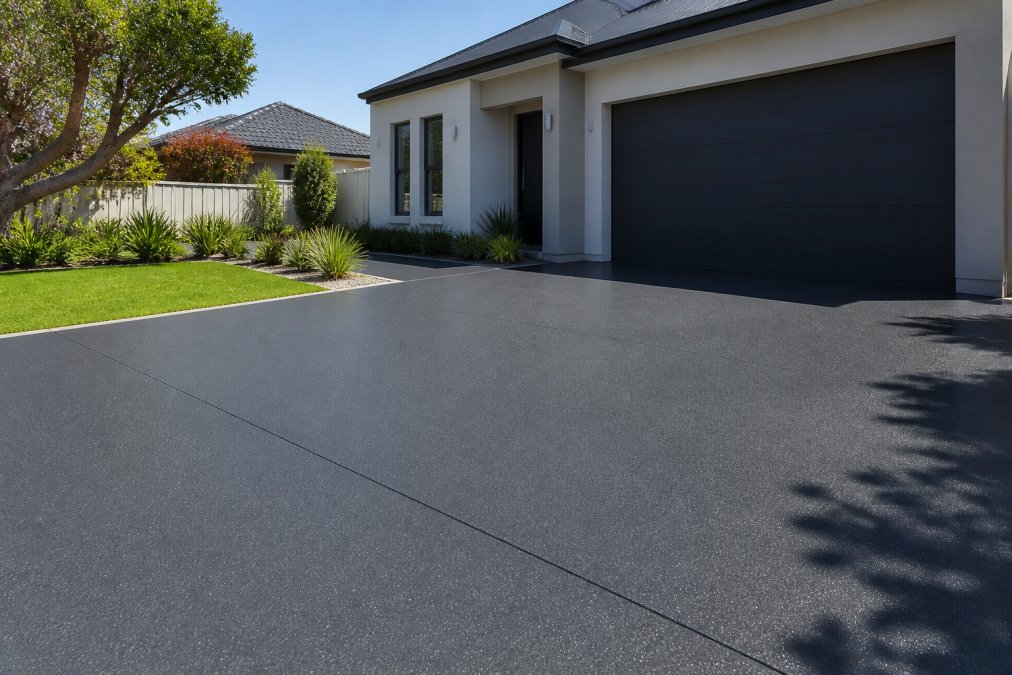
The true measure of best concrete resurfacing for driveways 2026 lies in how surfaces perform over years of exposure. Durability depends on material quality, installation precision, and maintenance commitment.
Spray-on concrete resurfacing typically maintains excellent condition for 10-15 years when sealed and maintained appropriately. The polymer overlay resists UV degradation better than standard concrete because it flexes slightly with substrate movement, preventing brittle cracking. Perth's intense sun exposure accelerates sealer degradation, but properly maintained spray-on surfaces outlast unprotected concrete by years.
Maintenance requirements remain modest compared to the durability gained. Annual pressure cleaning removes dirt, algae, and contaminants. Resealing every 2-3 years maintains the protective barrier against moisture penetration and UV damage. These preventive steps cost far less than addressing water damage, cracking, or staining that develops when maintenance lapses.
Long-term value calculation extends beyond initial installation cost. A driveway resurfacing lasting 12 years costs significantly less per year than one lasting 5 years, even if the longer-lasting option carries higher upfront investment.
Property value enhancement represents another value dimension. Homeowners preparing to sell frequently invest in driveway restoration because improved curb appeal influences buyer perception. A freshly resurfaced driveway signals property care and maintenance.
Environmental considerations increasingly influence purchasing decisions. StoneSet's permeable resin-bound paving allows water drainage, reducing stormwater runoff. Spray-on concrete resurfacing extends existing concrete life rather than requiring demolition and replacement, reducing waste.
Maintenance consistency determines whether your resurfacing reaches its full lifespan. A driveway receiving annual sealing and regular cleaning maintains its appearance and protection. Your maintenance commitment directly impacts durability and value.
Spray Pave Pro's satisfaction guarantee reflects confidence in durability. Our team delivers resurfacing designed to perform for over a decade, backed by professional workmanship and appropriate material selection. We've transformed thousands of Perth driveways over 23 years, and our client testimonials confirm the lasting value of properly executed resurfacing.
Improving your driveway transforms your home's curb appeal and functionality whilst protecting your investment in the property itself. Whether you're preparing to sell, restoring a deteriorating surface, or enhancing outdoor safety, the best concrete resurfacing for driveways 2026 combines durability with aesthetic appeal.
Spray Pave Pro brings 23 years of Perth-specific expertise to every project. Our spray-on concrete, high-pressure cleaning, epoxy flooring, and professional sealing solutions deliver superior workmanship tailored to your budget and style preferences. We guarantee complete satisfaction because your driveway's performance reflects our reputation.
Australian Standards for concrete durability and maintenance recommend regular sealing and cleaning to extend surface life. Sustainable Concrete Forum guidance on environmental practices supports permeable and resurfacing solutions that reduce demolition waste. Australian Building Codes slip-resistance requirements for outdoor surfaces inform our recommendations for safety-focused finishes.
Get your free quote from Spray Pave Pro today and discover how professional concrete resurfacing can restore your driveway's beauty and durability.
Quality concrete resurfacing typically lasts 5-10 years depending on climate, traffic, and maintenance. Spray-on finishes and epoxy coatings with proper sealing can extend durability beyond this range. UV-resistant formulations and slip-resistant additives help maintain longevity. Regular cleaning and resealing every 2-3 years significantly extends the lifespan. Environmental factors like moisture exposure and freeze-thaw cycles affect durability, so selecting weather-appropriate products for your region matters.
Concrete resurfacing cost per square metre varies based on the finish type and complexity. Stencilled concrete typically ranges from $50 per square metre upwards, while epoxy and premium spray-on options may cost more. Factors affecting price include surface preparation requirements, crack repair complexity, decorative finishes, and whether professional installation is needed. Obtain a quote from a resurfacing specialist to understand pricing for your specific driveway condition and chosen finish.
Spray-on resurfacing works best on cracks up to 5mm wide. Deeper cracks require crack repair before resurfacing, the substrate must be properly prepared and cleaned. Crack repair involves cleaning the crack, applying a bonding primer, and filling it with a suitable compound before the spray-on finish is applied. This creates a durable, long-lasting repair rather than a temporary cosmetic cover. Proper surface preparation is critical for preventing future peeling and failure.
Spray-on concrete offers decorative finishes, slip resistance, and faster application, making it ideal for aesthetic upgrades and safety-critical areas. Epoxy provides superior chemical resistance and is better for high-traffic commercial spaces but can be slippery when wet. Spray-on concrete suits residential driveways seeking durability and appearance, while epoxy works for garages and industrial floors. Consider your climate, traffic level, and aesthetic preferences when choosing between these options.
Professional spray-on resurfacing typically takes 1-3 days depending on driveway size and surface preparation needs. High-pressure cleaning and crack repair can add 1-2 days. Curing time varies: spray-on finishes usually cure within 24-48 hours, allowing light foot traffic sooner. The process involves minimal disruption compared to concrete replacement, which requires demolition and removal. Most driveways are fully functional within 3-5 days, though full hardness develops over 7-14 days.
This article was written using GrandRanker
