
A garage floor cops more punishment than most parts of a property. Hot tyres, oil drips, stored tools, foot traffic, dust and moisture all wear ordinary concrete down fast. That is exactly why epoxy flooring for garages has become such a popular upgrade for Perth homes and commercial spaces - it gives tired concrete a harder-wearing, cleaner and far better-looking finish.
For many property owners, the question is not whether epoxy looks good. It does. The real question is whether it performs well enough to justify the investment. In the right garage, with the right preparation and application, the answer is yes. But like any flooring system, results depend on the existing slab, how the space is used and the standard of workmanship.
Bare concrete is porous. It absorbs spills, holds dust and tends to show every stain, mark and patch of wear. Over time, even a structurally sound slab can start looking old, dirty and neglected. Epoxy changes that by creating a sealed surface that is tougher, easier to maintain and much more resistant to day-to-day damage.
That matters for homeowners who want a neater, more presentable garage, but it also matters for investors, builders and commercial property managers who need a flooring solution that works hard and looks professional. A properly installed epoxy coating helps protect the concrete underneath while improving the overall appearance of the space.
There is also the practical side. Garages are often used for more than parking. They become workshops, storage zones, home gyms and utility areas. If the floor is constantly exposed to dropped tools, dirty tyres and chemical spills, a coating that can handle that environment makes a clear difference.
Epoxy is not just paint. It is a resin-based coating system designed to bond with prepared concrete and form a durable, sealed surface. Once cured, it creates a hard finish that resists many of the common problems that affect untreated garage floors.
One of the biggest advantages is stain resistance. Oil, grease and other contaminants are far easier to clean when they sit on top of the coating rather than soaking into concrete. That alone can save a lot of frustration, especially in garages used for vehicle maintenance or regular storage.
Durability is another major reason people choose epoxy. It handles traffic well, stands up to abrasion and helps reduce the dusty surface that older concrete often produces. For property owners wanting a cleaner and more polished look, that combination of performance and appearance is hard to ignore.
Then there is the finish itself. Epoxy can transform a dull slab into a surface that feels brighter, fresher and more finished. Depending on the chosen system, the result can be sleek and modern or more textured and practical. Either way, it lifts the standard of the whole space.
The visual improvement is usually the first thing people comment on. A garage with epoxy flooring looks maintained. It feels more like part of the property rather than an afterthought. That can be a strong selling point if you are preparing a home for market or upgrading an investment property.
Cleaning is the next big win. Dust, sand and general grime are easier to sweep up from a sealed surface, and spills are simpler to deal with before they become permanent marks. In a Perth climate, where dust can build quickly, that low-maintenance factor is a genuine advantage.
Many clients also appreciate the added protection. Instead of leaving concrete exposed to wear, impact and staining, the floor has a coating system designed to take the punishment. That can help extend the life and appearance of the slab beneath.
Epoxy is an excellent choice for many garages, but it is not a one-size-fits-all answer. If the concrete is in decent condition and the area is used for parking, storage or light workshop activity, epoxy is often a very strong option. It provides durability without the cost and disruption of full slab replacement.
If the slab has serious moisture issues, major cracking or previous coating failure, the situation needs a closer look. Surface preparation and substrate condition have a direct impact on how well epoxy performs. Applying a premium coating over a poor base is never a smart shortcut.
It also depends on expectations. If someone wants a flawless decorative finish in a garage that sees constant heavy mechanical work, the system may need to be selected with extra care. If safety underfoot is a concern, slip resistance can be built into the finish, but that may slightly change the final texture and ease of cleaning. Trade-offs matter, and experienced advice matters just as much.
Most epoxy flooring failures do not happen because epoxy is a bad product. They happen because the floor was not properly prepared. Contamination, moisture, weak concrete and rushed application can all lead to peeling, bubbling or poor adhesion.
A professional installation starts with assessing the slab properly. That includes checking its condition, identifying cracks or damage, removing contaminants and mechanically preparing the surface so the coating can bond correctly. Any repairs need to be handled before the epoxy system goes down.
This is where experience really shows. A garage floor might look simple, but every slab behaves differently. Older concrete, oil-stained areas or previous surface treatments can all affect the process. Good workmanship is not just about applying the coating evenly. It is about getting the groundwork right so the finish lasts.
Not every garage needs the same epoxy system. A residential garage used mainly for parking family vehicles has different demands from a commercial storage area or a home workshop with regular tool use. The right finish should match the traffic, wear level and look you want.
Some owners prefer a smooth, modern appearance that brightens the space and makes cleaning easy. Others want a more textured surface that adds grip and helps disguise dirt between cleans. Colour choice also matters more than people think. Lighter finishes can make a garage feel larger and cleaner, while darker tones can hide marks but may show dust more quickly.
The best outcome usually comes from balancing appearance with practicality. A garage floor should look sharp, but it also needs to handle real use without becoming high maintenance.
For many Perth property owners, yes. Epoxy is usually far more cost-effective than replacing a concrete slab, and it delivers both protection and visual improvement in one job. If your existing garage floor is structurally sound but stained, worn or dated, resurfacing it with epoxy can be a smart investment.
Value is not just about the upfront quote. It is about how the floor performs over time, how much easier it is to maintain and how much better the space presents. A cheap coating that fails early is expensive in the long run. A properly installed epoxy system gives you a stronger return because it protects the slab and improves the space day after day.
That is why professional application matters. The difference between an average finish and a long-lasting one often comes down to preparation, product choice and workmanship. For clients who care about durability and appearance, it pays to get the job done properly the first time.
Once the floor is coated and cured, most people notice the difference straight away. The garage feels brighter, cleaner and easier to use. Dust drops, stains become less of a battle and the whole area presents better.
Ongoing maintenance is simple. Regular sweeping and occasional washing will usually keep the surface in good condition. It is still wise to clean up chemical spills promptly and avoid unnecessary abuse, but compared with bare concrete, the upkeep is much easier.
A quality epoxy floor also gives the property a more finished feel. Whether it is a family home, a rental or a commercial premises, that improvement in presentation has real value.
If your garage floor is dragging down the look and function of the space, epoxy is one of the most effective ways to turn it around. The key is choosing a system that suits the slab, the traffic and the result you want. Done properly, it is not just a coating. It is a practical upgrade that keeps working long after the job is finished.
A tired patio shows up fast. Faded patches, old stains, hairline cracks and a surface that always looks dusty can drag down the whole backyard. That is why patio concrete resurfacing ideas matter so much - the right finish can make an ageing outdoor area look cleaner, sharper and far more inviting without the cost and disruption of ripping it all out.
For Perth properties, resurfacing is often the smarter move. Our climate is tough on exterior concrete, and older patios can cop years of sun, foot traffic, furniture movement and general weathering. A quality resurfacing system gives you the chance to improve appearance, strengthen protection and make the space easier to maintain, all in one job.
Full concrete replacement has its place, especially when a slab is badly damaged or structurally unsound. But in many cases, the base concrete is still serviceable even if the top layer looks worn out. Resurfacing works with that existing slab and gives it a new finish, which usually means less mess, faster turnaround and a lower overall cost.
It also opens up more design choice than many property owners expect. You are not limited to a plain grey patch-up. You can change colour, texture and overall style to suit the house, pool area, garden or alfresco zone. That flexibility is a big reason resurfacing appeals to homeowners, investors and commercial property managers alike.
The best patio finish depends on how the area is used, how much sun and weather it gets, and what look you want to achieve. A decorative finish that looks excellent in a sheltered courtyard may not be the best option for a large entertaining area that sees regular wear.
Spray-on concrete remains one of the most popular patio concrete resurfacing ideas because it gives old concrete a fresh decorative finish with practical benefits built in. It can be applied in a range of textures and patterns, making it a strong option for patios that need both visual improvement and better slip resistance.
This style suits outdoor entertaining areas particularly well. It helps create a cleaner, more finished look while also being comfortable underfoot. If the patio links to a pool zone, garden path or driveway, spray-on resurfacing can also help tie those areas together with a consistent design.
If plain resurfacing feels too basic, stencil finishes can add far more character. This approach allows you to mimic the look of pavers, tiles, brick or stone without the cost and maintenance issues that often come with laying those materials individually.
For homeowners who want stronger street appeal and a more polished backyard finish, stencilled resurfacing is a solid option. The result is neater than patching tired concrete and often more cost-effective than replacing the patio surface entirely. The main trade-off is that pattern choice should suit the style of the home. An overly busy design can date more quickly than a simple, well-chosen pattern.
Some patios look best when the surface does not draw too much attention to itself. In those cases, a natural stone-inspired texture in muted tones can work extremely well. Think soft greys, charcoal, sand, off-white or warm earthy colour blends that complement limestone, render, timber and garden planting.
This style is especially effective on modern homes and renovation projects where the goal is a clean, current finish rather than a decorative statement. It gives the patio a more refined appearance without making the area feel overdone.
A darker patio can completely change the feel of an outdoor space. Charcoal, deep grey and similar tones often pair well with light exterior walls, aluminium fencing, black window frames and contemporary landscaping. They can make the area feel more structured and intentional.
That said, darker colours do absorb more heat. On a fully exposed patio in Perth, that is worth considering. If the area gets intense afternoon sun and is used barefoot, a mid-tone finish may be more comfortable. Good resurfacing advice should always balance appearance with day-to-day use.
At the other end of the scale, light colours can make a patio feel bigger, fresher and more open. They are often a smart choice for compact courtyards, shaded areas or outdoor zones where you want a brighter, cooler look.
Lighter finishes also tend to show less heat build-up than darker tones, which can be a practical advantage in summer. The trade-off is that dirt, leaf tannins and some stains may show more readily, so the surface needs proper sealing and routine cleaning to keep it looking sharp.
One of the more effective patio concrete resurfacing ideas is not just about the patio itself. It is about how the patio connects with surrounding surfaces. Resurfacing the patio in a finish that flows into nearby paths, alfresco edges or entertaining zones can make the entire outdoor area look more cohesive.
This approach works particularly well for investors preparing a property for sale or lease. Rather than having one refreshed area and several mismatched surfaces around it, a connected resurfacing design gives the impression of a more complete outdoor upgrade.
A good-looking surface is only part of the job. Protective sealing is what helps the finish last and makes ongoing maintenance easier. For patios exposed to weather, furniture use, food spills and general wear, sealing is not an optional extra. It is part of getting proper value from the resurfacing work.
A clear or colour-enhancing sealer can improve surface durability, help resist staining and make cleaning simpler. Depending on the finish selected, sealing can also deepen the appearance of the colour and sharpen the final look. The right system depends on the existing surface, the chosen resurfacing method and the level of exposure.
Safety matters just as much as style, especially on patios that get wet from rain, pool traffic or regular washing. A resurfaced patio should not just look better. It should also feel safer to walk on.
That is where textured coatings and slip-conscious finishes come into play. The exact level of texture depends on the area. Too smooth can be risky, but too aggressive can be harder to clean and less comfortable underfoot. Getting that balance right is part of professional resurfacing work.
Sometimes the best idea is the one that ties everything together. The patio should not feel like a separate afterthought. It should work with the home’s exterior colours, surrounding hardscaping and overall level of finish.
That may mean choosing a subtle texture that matches a resurfaced driveway, or selecting a colour that picks up tones already used on retaining walls, fencing or pavers. These decisions seem small on their own, but they have a big effect on the final result.
Design matters, but the condition of the concrete comes first. If the slab has structural movement, major cracking or drainage issues, those problems need to be assessed before any decorative coating goes on. A quality finish is only as good as the surface under it.
It is also worth thinking about how you actually use the patio. A quiet sitting area has different demands from a busy entertaining zone with kids, pets and furniture being moved around every weekend. Durability, grip, ease of cleaning and exposure to sun should all shape the final choice.
Budget matters too, but cheapest is rarely best with resurfacing. Surface preparation, product quality and workmanship all affect how well the new finish performs over time. A patio that looks great for six months but starts failing early is not a saving.
Concrete resurfacing can look straightforward from a distance, but the quality of the finished result comes down to preparation, repair work, product selection and application skill. Old stains, poor adhesion, uneven texture and patchy sealing are the kind of issues that stand out quickly on a patio.
An experienced resurfacing contractor knows how to assess the slab, prepare it properly and recommend a finish that suits both the property and the way the area is used. That is where visible transformation really comes from - not just from applying a coating, but from doing the full job to a professional standard.
For Perth property owners, that local knowledge matters. Conditions here are different, and exterior surfaces need systems that can handle heat, weather exposure and everyday use. Companies such as Spray Pave Pro focus on that balance of appearance, durability and practical performance because that is what delivers long-term value.
A patio should feel like part of the home, not the worn-out area you keep meaning to fix. The right resurfacing choice can give that space a cleaner look, better protection and a finish you are happy to use every day.
A stained driveway can drag down the look of the whole property. Even quality concrete starts to look tired when oil marks, dirt build-up, mould and weather staining settle in. That is where high pressure cleaning concrete makes a real difference - not as a quick cosmetic fix, but as the first step in restoring the surface and protecting its long-term condition.
For homes and commercial properties across Perth, concrete takes a beating. Harsh sun, rain, foot traffic, tyre marks, fallen leaves and general grime all leave their mark over time. Once the surface becomes dull, slippery or patchy, standard hosing and scrubbing rarely get the job done. Professional pressure cleaning cuts through what ordinary cleaning leaves behind.
Concrete is tough, but it is also porous. That means it absorbs dirt, moisture, grease and organic growth more easily than many people expect. What looks like surface grime is often lodged deeper into the material, especially on older driveways, alfrescos, pool surrounds and pathways.
High pressure cleaning concrete helps remove built-up contamination before it causes bigger issues. Mould and mildew can make outdoor areas slippery. Oil and grime can stain the surface more deeply over time. General dirt build-up can also hide the true condition of the concrete, making it harder to assess whether sealing or resurfacing is needed.
A proper clean does more than improve appearance. It can also prepare the area for sealing, spray-on concrete or other surface treatments. If the slab is not cleaned correctly first, any coating applied over it is starting at a disadvantage.
The biggest difference between a basic wash and a professional clean is the result. Pressure cleaning equipment, used correctly, can remove years of built-up residue from exterior concrete surfaces.
In most cases, this includes dirt, dust, tyre marks, moss, mould, mildew, algae, leaf stains, grease and general weathering. Some stains lift easily. Others take more attention, especially if oil has soaked in or if the surface has not been maintained for years. This is where experience matters. Concrete is not cleaned effectively just by turning the pressure up harder.
Different surfaces need different treatment. A heavily used commercial entry, for example, may need a more aggressive clean than a decorative patio. Likewise, older or softer concrete may require a more controlled approach to avoid surface damage.
One of the biggest mistakes people make is assuming more pressure always means a better result. In reality, too much force can etch the surface, leave visible lines, loosen weak areas and create an uneven finish. That is particularly true on decorative concrete, aged slabs, exposed aggregate edges and previously coated areas.
Professional high pressure cleaning concrete is about control as much as power. The right operator will assess the condition of the slab, the type of contamination and whether pre-treatment is required. From there, water pressure, nozzle choice and cleaning method are adjusted to suit the job.
This is especially important if the concrete is going to be sealed or resurfaced afterwards. A clean surface needs to be properly prepared, not roughened or scarred by poor technique. Done right, pressure cleaning leaves concrete looking fresher and more uniform, while keeping the surface sound.
Driveways are usually the first place people notice the difference. They carry vehicle traffic, collect dirt from tyres, absorb oil drips and sit exposed to the weather all year round. A professionally cleaned driveway can immediately sharpen the front presentation of a home or business.
Patios, entertaining areas and pool surrounds also benefit. These spaces tend to collect food spills, leaf tannins, mould and water staining. Around pools, a thorough clean can also improve safety by removing slippery growth that builds up in damp areas.
Pathways, pavers, garage floors and commercial walkways are other common trouble spots. When these surfaces are cleaned properly, the whole property feels more maintained. It is one of the most effective ways to lift street appeal without jumping straight into full replacement.
Sometimes a thorough pressure clean is all a surface needs. If the concrete is structurally sound and the issue is mainly dirt, staining or surface grime, cleaning can restore a much cleaner, brighter finish at a relatively low cost.
But not every slab comes back to near-new condition through cleaning alone. Deep oil penetration, surface wear, fading, cracking, old coatings and patchy discolouration may still be visible once the dirt is gone. In these cases, cleaning is still essential, but it is only the first stage.
That is often where sealing or resurfacing comes into the conversation. After the surface has been cleaned properly, it is much easier to see whether a clear sealer, colour sealer or spray-on concrete finish would deliver a better long-term result. For many Perth property owners, this is the smarter path - clean the slab, assess its condition honestly, then choose the right upgrade instead of spending money twice.
If you are planning to seal or resurface concrete, preparation is not the place to cut corners. Dirt, grease, mould and loose residue all interfere with adhesion. Even if a finish looks acceptable at first, poor preparation can shorten its lifespan and affect how evenly it cures or bonds.
High pressure cleaning concrete creates a cleaner base for the next step. That matters whether the goal is a clear protective seal, a colour refresh or a complete resurfacing finish. The better the preparation, the better the result will look and the longer it is likely to last.
For contractors who specialise in concrete restoration, pressure cleaning is not a separate afterthought. It is part of a system. A quality finish starts with a properly cleaned surface, followed by the right treatment for the slab and the way it will be used.
There is a reason many DIY concrete cleaning jobs end up with streaks, patchy areas or disappointing results. Hiring a machine from the local shop may seem straightforward, but concrete cleaning is easy to get wrong if you are not familiar with surface types, pressure settings and stain treatment.
Homeowners often find that basic machines lack the power to remove deeper contamination, while stronger units can cause visible damage if used incorrectly. There is also the issue of time. Large driveways and exterior areas take longer than expected, especially when mould, grease or stubborn staining are involved.
A professional service brings commercial-grade equipment, surface knowledge and a more consistent finish. It also means the concrete can be assessed properly. If cleaning is enough, you know where you stand. If further treatment is recommended, you can make that decision based on the actual condition of the slab, not guesswork.
Not all pressure cleaning services are concrete specialists. That matters. Exterior concrete, decorative finishes, pavers and coated surfaces all respond differently to cleaning. A contractor who works with concrete restoration every day will understand how to clean effectively while protecting the surface and preparing it for any follow-on treatment.
Look for experience, clear communication and a results-focused approach. The right team should be able to explain what can realistically be achieved by cleaning, what stains may remain, and whether sealing or resurfacing would add value. That kind of advice saves money and avoids disappointment.
At Spray Pave Pro, that practical approach is central to every job. The goal is not just to blast away dirt. It is to restore the appearance of the surface, improve presentation and set the concrete up for a better, longer-lasting finish where needed.
Clean concrete changes the way a property looks and feels. If your driveway, patio or commercial surface is looking tired, pressure cleaning is often the fastest way to see what is really possible underneath the grime.
Limestone can look outstanding when it is first laid, but it does not stay that way on its own. Around pools, patios, driveways and entry areas, this stone is constantly exposed to foot traffic, moisture, grime and harsh Perth sun. The right clear sealer for limestone helps protect that natural finish without covering up the character that makes limestone so popular in the first place.
For property owners, that matters for more than appearance. Unsealed limestone is porous, which means it can absorb water, dirt, oils and organic staining far more easily than many people expect. Once marks settle in, cleaning gets harder, the surface can weather unevenly, and the whole area starts to look tired well before it should. A quality clear sealer is not just about shine. It is about making the surface easier to maintain and keeping the investment looking sharp for longer.
Limestone is valued for its light, natural appearance and ability to suit both modern and traditional properties. It works well around outdoor entertaining areas, garden paths, pool surrounds and feature paving because it delivers a clean, premium finish. The trade-off is that limestone is softer and more porous than denser stone products, so it needs proper care.
Without sealing, everyday spills and weather can leave their mark. Rainwater can carry dirt deep into the surface. Pool splash can leave mineral deposits. Outdoor furniture can create wear patterns. Even something as simple as fallen leaves can cause staining if they sit too long. In high-use areas, limestone can quickly lose that fresh, even look that adds value to a property.
A clear sealer creates a protective barrier that reduces absorption and slows down surface wear. It does not make limestone indestructible, and it will not fix existing damage, but it gives the surface a much better chance of holding up under normal use.
A good clear sealer for limestone is designed to protect while preserving the stone's natural appearance. That is usually the main reason people choose it over a coloured coating or heavier finish. They want the limestone to still look like limestone, only cleaner, more even and easier to maintain.
Depending on the product and the condition of the surface, a clear sealer can help repel water, resist staining, reduce dusting and make routine cleaning more straightforward. Some sealers leave the stone looking close to raw, while others slightly deepen the colour or add a low-sheen finish. That difference matters, especially if you are trying to match surrounding materials or keep a softer, more natural look.
This is where experience counts. Not every sealer suits every limestone surface. The best result depends on where the stone is installed, how exposed it is, how much traffic it gets and what kind of finish you want to keep.
The biggest mistake people make is treating limestone like a one-size-fits-all surface. A pool surround has different demands from a front path. A shaded alfresco behaves differently from a driveway in full sun. The right sealer needs to suit the application, not just the material.
For outdoor limestone, breathability is often important. Moisture can move through stone and substrate, so a sealer that traps it can create issues over time. In many cases, penetrating sealers are a strong option because they soak into the surface rather than leaving a thick film on top. That can help maintain a more natural look and lower the risk of peeling.
Film-forming sealers can also have their place, particularly where a richer finish or additional surface protection is needed, but they need to be chosen carefully. On some limestone surfaces, they can alter the appearance more than expected or require more maintenance if wear becomes patchy.
Slip resistance is another factor that should never be ignored. Around pools and outdoor entertaining areas, appearance is only one part of the job. The sealer must perform safely underfoot. A finish that looks great but becomes too slick when wet is not a good outcome.
Perth properties put outdoor surfaces through a lot. Strong UV exposure, heat, rain events, pool chemicals and general outdoor use all affect how limestone performs over time. That is why product choice and preparation matter so much.
A sealer might look fine on application, but if it is not suited to local conditions, it can break down too early, discolour, or fail to provide the protection the surface needs. The same applies if limestone is sealed before it is properly cleaned or if existing contamination is left in the pores. In those cases, the finish may not bond well, and the final result can be inconsistent.
That is also why sealing should be approached as part of a full surface treatment, not just a quick add-on. Proper cleaning, surface assessment and product selection all affect the final performance. When done correctly, sealing helps limestone stay cleaner, look brighter and cope better with the demands of outdoor living.
The quality of a sealing job starts well before any product is applied. Limestone needs to be thoroughly cleaned, and any built-up dirt, mould, stains or old coating residues need to be addressed first. If they are not, the sealer can lock those issues in or sit unevenly across the surface.
In some cases, the stone may also need time to dry out fully before sealing. Applying a clear sealer over damp limestone can affect penetration, cure time and overall finish. That is one reason rushed jobs often disappoint. A surface might look acceptable on day one, then show patchiness or performance issues later.
Professional preparation is about more than presentation. It improves sealer adhesion, helps produce a more uniform finish and supports longer-lasting protection. For homeowners and commercial property managers, that means better value from the work and fewer maintenance headaches down the track.
A sealed limestone surface should be easier to keep clean and better protected from everyday staining and weather exposure. It may also look slightly richer or more even, depending on the sealer used. That said, sealing is not permanent.
All protective coatings and treatments wear over time. How long a clear sealer lasts on limestone depends on the product, the location, the amount of traffic and how well the area is maintained. A lightly used patio may hold up well for longer than a driveway or a busy commercial entry point. Pool surrounds also tend to need closer attention because of water, foot traffic and chemical exposure.
Maintenance still matters. Dirt should be cleaned off regularly, spills should not be left sitting, and harsh cleaning methods should be avoided unless they are appropriate for the sealed surface. Resealing at the right time helps maintain protection and appearance before the stone starts absorbing contaminants again.
There are surfaces where a DIY approach can seem tempting, but limestone is not especially forgiving. The wrong product, poor preparation or uneven application can leave visible lap marks, gloss differences or reduced protection. Fixing that later can take more time and money than doing it properly from the start.
For larger areas, feature limestone, pool surrounds or high-visibility entry points, professional sealing is usually the safer choice. An experienced contractor can assess the stone, recommend the right finish and apply the sealer evenly for a cleaner, longer-lasting result. Just as importantly, they can identify any existing issues before sealing starts, whether that is moisture, previous coatings or staining that needs treatment first.
That is where a specialist surface team adds value. At Spray Pave Pro, we see sealing as part of the bigger picture - protecting the surface, improving presentation and helping property owners get more life out of their existing spaces without the cost of replacement.
Not always. If the goal is to preserve the natural look of limestone, a clear sealer is often the right fit. But there are cases where another finish may be worth considering. Some property owners want colour enhancement, a more decorative result or a coating system that ties limestone visually to nearby resurfaced areas.
The best choice comes down to the condition of the surface, the practical demands of the area and the final look you want. That is why good advice matters. The right solution should protect the stone and suit the way the space is actually used, not just look good in a brochure.
If your limestone is starting to look patchy, porous or harder to clean, sealing it now can save you bigger problems later. A properly selected and professionally applied clear sealer keeps the surface looking natural, working harder and holding its value for longer.
A driveway can make a property look tired long before the house itself does. When concrete starts showing stains, patchy fading and surface wear, the whole frontage loses impact. That is where colour sealing concrete benefits become obvious - not as a cosmetic extra, but as a practical way to restore appearance, protect the surface and cut down ongoing maintenance.
For Perth property owners, that matters. Our conditions are hard on outdoor surfaces. UV exposure, heat, dirt, tyre marks, pool water, foot traffic and general weathering all take a toll. If the concrete is already looking porous, chalky or washed out, leaving it unprotected usually means the problem gets worse, not better.
Colour sealing is a protective coating system that refreshes the look of existing concrete while adding a barrier against wear and contamination. Unlike plain clear sealing, it also restores or changes the surface colour, which makes it a strong option for concrete that is faded, stained or uneven in appearance.
This is why it appeals to both homeowners and commercial clients. You are not just sealing in the current condition. You are improving the finish at the same time. On driveways, patios, alfresco areas, pool surrounds and paths, that can deliver a much cleaner and more consistent result without the cost of full replacement.
The biggest advantage is that colour sealing works on old concrete that still has structural life left in it. If the slab is sound but looks worn, a quality resurfacing and sealing approach can give it a second life.
The first benefit most people notice is visual improvement. Old concrete often has multiple issues at once - oil marks, sun fade, discolouration, patch repairs and general ageing. Colour sealing helps unify the surface so it looks fresh, intentional and properly finished. That is especially valuable on driveways and entry areas where first impressions count.
Protection is the next major gain. Concrete is naturally porous, so it absorbs moisture, dirt and spills over time. Once that happens, staining becomes harder to remove and the surface can start to deteriorate faster. A professionally applied colour sealer creates a protective layer that reduces absorption and helps shield the substrate from day-to-day damage.
Maintenance also becomes simpler. A sealed surface is generally easier to clean than bare concrete because grime and spills sit closer to the top instead of soaking in deeply. That does not mean it never needs care, but it usually means less effort to keep it looking presentable.
There is also a cost benefit. Full concrete replacement is expensive, disruptive and often unnecessary when the existing slab is still serviceable. Colour sealing can be a much more economical way to improve appearance and extend usable life. For investors, that can mean lifting presentation before sale or lease without blowing the budget. For homeowners, it means getting a better result from what is already there.
Perth conditions are tough on external surfaces. Strong sun can bleach colour out of plain concrete and break down inferior coatings. Dust, sand and general outdoor debris can also wear surfaces down over time, especially in high-traffic zones.
That is why preparation and product choice matter so much. A proper colour sealing system is not just about putting a fresh coat over the top. The surface needs to be cleaned, assessed and prepared correctly so the sealer bonds well and performs as intended. When the job is done properly, the surface is better equipped to handle local conditions and maintain its finish longer.
For pool surrounds and entertaining areas, colour sealing can also help create a more polished look that matches the rest of the property. That design benefit is not minor. A surface that ties in with the home’s exterior can lift the whole outdoor area and make it feel maintained rather than pieced together over time.
Driveways are one of the most common areas where the benefits stand out quickly. They cop traffic, oil drips, tyre marks and constant sun exposure. A colour-sealed driveway looks sharper, is easier to keep tidy and presents far better from the street.
Patios and alfresco areas also respond well, particularly where concrete has become blotchy or stained from outdoor living. Entertaining spaces should look clean and inviting, not worn out. Colour sealing helps bring those areas back into line with the standard of the home.
Pool decks are another strong candidate, provided the right system is used for the setting. Around pools, surfaces need to look good but also stand up to moisture, traffic and outdoor exposure. The finish selected should always match the practical demands of the space.
Commercial properties benefit too. Entryways, walkways and external concrete areas affect how a business is perceived. A tired surface can make the whole premises feel neglected. A well-finished sealed surface gives a cleaner, more professional presentation while reducing the burden of constant deep cleaning.
Not every property needs the same look. Some owners want a natural tone that freshens the concrete without drawing too much attention. Others want a stronger decorative finish that upgrades the character of the space. Colour sealing allows for that flexibility.
That said, the right finish depends on the condition of the concrete, the surrounding materials and how the area is used. A light colour may brighten a space, but it can also show dirt more readily in some settings. A darker tone may hide marks better, but absorb more heat outdoors. The best result comes from balancing visual appeal with real-world use.
This is where experience matters. A contractor who understands surface preparation, product performance and finish selection can help avoid choices that look good for a month but disappoint later.
A quality article on colour sealing concrete benefits should be honest about the limits as well. Colour sealing is excellent for improving and protecting sound concrete, but it is not a cure-all for serious structural issues.
If a slab has major movement, deep cracking, drainage problems or advanced damage, sealing alone may not solve the underlying problem. In those cases, repairs or a different resurfacing approach may be needed first. Applying a coating over unstable concrete usually leads to frustration and shorter service life.
It is also worth knowing that longevity depends on traffic levels, exposure and maintenance. A residential patio will not wear the same way as a busy commercial entry. That does not make colour sealing poor value. It simply means performance should be judged against the conditions the surface actually faces.
The gap between a professional result and a rushed one is easy to see after a few months. Poor preparation, cheap materials and uneven application can leave a surface looking patchy or wearing prematurely. That is why colour sealing should never be treated as a quick paint-over job.
Proper high-pressure cleaning, surface prep and coating application are what deliver the result people are actually paying for - a finish that looks better, lasts longer and performs under use. On older concrete, prep work is often the make-or-break stage.
For property owners comparing options, this is where value should be judged carefully. The cheapest quote is not always the most affordable if the work needs redoing far sooner than expected. A specialist contractor will usually identify issues early, recommend a suitable system and apply it to a standard that protects your investment.
If your concrete is structurally sound but looks dated, tired or difficult to maintain, colour sealing is often a very worthwhile upgrade. It improves street appeal, protects the surface, helps reduce staining and gives older concrete a more finished, cared-for appearance.
For many Perth homes and commercial sites, it sits in the sweet spot between basic cleaning and full replacement. You get a visible transformation, practical protection and better day-to-day usability without the cost and disruption of ripping out existing concrete.
That is why experienced contractors continue to recommend it for driveways, patios, paths and other worn surfaces that still have plenty of life left in them. When the right system is applied properly, the result is not just a nicer-looking slab. It is a surface that works harder for your property, and keeps doing so well after the job is finished.
A stained, faded or patchy driveway drags down the look of the whole property. When the concrete is structurally sound but looks tired, spray on concrete driveway resurfacing is often the smarter option than tearing everything out and starting again.
For Perth property owners, that matters. Driveways take a beating from heat, tyre traffic, oil marks, weather exposure and everyday wear. Over time, plain concrete can lose its colour, show surface damage and make an otherwise well-kept home or commercial site look neglected. Resurfacing gives you the chance to restore the area, improve presentation and add a protective finish without the cost and disruption of full replacement.
Spray on resurfacing is a coating system designed to go over existing concrete that is still in serviceable condition. Rather than replacing the slab, the surface is professionally cleaned, prepared, repaired where needed and coated with a spray-applied concrete finish. This creates a new textured top layer that improves appearance and helps protect the concrete underneath.
The result is not just cosmetic. A quality resurfacing system can improve slip resistance, reduce the visibility of old stains and imperfections, and make the surface easier to maintain. It also gives you more design flexibility than plain concrete, with a range of colours, patterns and finishes available to better suit the property.
That said, resurfacing is not a fix for every driveway. If the slab has major structural failure, significant movement or deep cracking caused by underlying issues, replacement may still be the better long-term decision. The value comes from knowing the difference and getting the surface assessed properly before any coating is applied.
Replacing a driveway is expensive, messy and time-consuming. There is demolition, waste removal, fresh pouring, curing time and more disruption around the property. For many homes and commercial sites, that level of work is unnecessary.
Spray on concrete driveway resurfacing is popular because it delivers a visible transformation at a lower cost than full reconstruction. It is a practical solution for concrete that is worn on the surface but still fundamentally sound. You keep the existing base, upgrade the finish and extend the usable life of the area.
There is also the street appeal factor. A fresh driveway makes a stronger first impression, whether you are living in the property, leasing it out or preparing it for sale. For investors and commercial managers, that matters just as much as durability. A clean, professionally finished entry area signals that the property is maintained properly.
The first benefit is appearance. Old concrete can make the whole front of a property feel dated. Resurfacing delivers a cleaner, sharper and more modern finish, with decorative options that plain grey concrete simply cannot offer.
The second is protection. Driveways are exposed surfaces, and without proper sealing they are more vulnerable to staining, moisture penetration and general wear. A resurfaced and sealed finish helps protect the concrete against day-to-day use while reducing the rate of visible deterioration.
The third is maintenance. Once resurfaced and sealed correctly, the driveway is generally easier to keep clean than a porous, weathered slab. Regular sweeping and occasional washing go a long way, and surface grime is less likely to become deeply embedded.
The fourth is cost efficiency. When replacement is not necessary, resurfacing can give you a far better return for the money spent. You are improving the look and function of an existing asset instead of paying for complete removal and reconstruction.
The finish only performs as well as the preparation underneath it. This is where experience matters.
Before any resurfacing product is applied, the concrete needs to be assessed for condition, contamination and repair needs. Oil stains, flaking areas, dirt build-up and previous coatings can all affect adhesion. High-pressure cleaning is usually part of the preparation process, and cracks or damaged sections may need attention before resurfacing begins.
Once the surface is properly prepared, the spray coating can be applied in the chosen finish and colour. After that, sealing helps lock in the look and protect the new surface. Skipping or rushing any of these stages usually shows up later as poor wear, patchy appearance or coating failure.
That is why a specialist approach matters. At Spray Pave Pro, the focus is not just on getting a new coating down quickly. It is about surface preparation, finish quality and delivering a result that looks right and lasts well under real conditions.
One of the strongest reasons people choose spray-on resurfacing is flexibility in the final look. This is not a one-size-fits-all finish.
Some property owners want a clean, modern driveway in a neutral tone that complements the facade without drawing too much attention. Others want a stronger decorative effect with a pattern or colour blend that lifts the whole front of the home. Commercial sites may lean towards practical finishes that are durable, professional-looking and easy to maintain.
The best choice depends on the building style, surrounding landscaping and how much traffic the driveway gets. Lighter finishes can brighten the area, but they may show tyre marks more easily. Darker finishes can look bold and crisp, though they may absorb more heat. Texture also matters. A more textured finish can improve grip, but it should still be comfortable and appropriate for the setting.
A well-chosen resurfacing finish should look intentional, not like an afterthought. It should suit the property and improve the way the whole exterior presents from the street.
Not always, and a good contractor should say that clearly.
If the concrete is sinking, severely cracked through the slab, lifting in sections or failing because of drainage or ground movement, resurfacing alone will not solve the root problem. In those cases, repairs or replacement may be needed first.
But many driveways are not at that point. They are simply worn, faded, stained or dated on the surface. That is where spray on concrete driveway resurfacing makes sense. It is a practical upgrade for concrete that still has life in it but no longer looks the part.
The key is proper inspection. A quote should take into account the age of the slab, the condition of the surface, any contamination, previous coatings and the finish you want to achieve. Good advice upfront saves money and frustration later.
Perth conditions are hard on exterior surfaces. Strong sun, heat, dust, rain events and regular vehicle use all add up over time. Driveways can fade faster, sealers can wear down, and unprotected concrete can become more porous and harder to clean.
That makes quality materials and correct application especially important. A resurfacing system needs to suit local conditions, not just look good when it is first done. The right finish and sealer combination helps the driveway hold its appearance longer and perform better under daily use.
It also reinforces the value of maintenance. Even a well-finished driveway benefits from sensible care. Keeping it free from built-up grime, cleaning spills early and resealing when needed will help protect the investment and maintain the finish.
This is not the kind of job where the cheapest quote is always the best value. Driveway resurfacing is highly visible, and poor workmanship stands out quickly.
Look for a contractor with proven experience in concrete resurfacing, not just general handyman work. Ask about preparation methods, repair process, coating systems and sealing. A professional should be able to explain what condition your driveway is in, what can realistically be achieved and how to care for it once the work is complete.
You also want confidence in the finish itself. The best resurfacing jobs do not just hide problems for a few months. They improve the look of the property in a way that feels durable, deliberate and professionally executed.
A driveway should add to the property, not let it down. When the slab is still sound, resurfacing can be the right move - practical, cost-effective and visually impressive. If your concrete is looking worn but does not need full replacement, a properly finished spray-on surface can give it a second life and make the front of the property feel cared for again.

Want to repair any type of driveways by modern technique and we will give your driveway some artistic flair by including patterns and stencils.
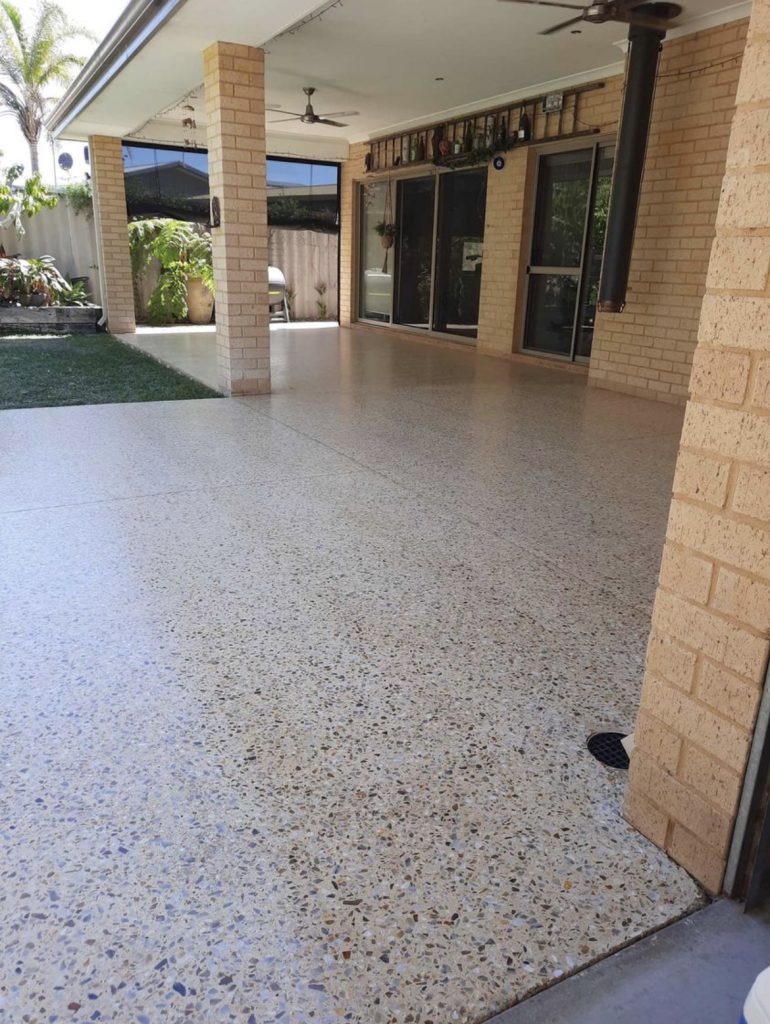
Your old driveway , garage floor, concrete paths and patio with a stunning new look so spray on paving is highly durable, incredible affordable and is better for external concrete areas including driveway, paths,patio and pool. Experience makes us confident when it comes to spray on concrete in perth
