
Last Updated: August 20, 2026
Getting a quote for concrete resurfacing differs from other home improvement quotes because the final cost depends heavily on what lies beneath the surface. A professional inspection evaluates not just visible damage but structural integrity to determine whether resurfacing is viable or replacement is necessary.
Most quotes include a visual inspection, surface testing, and a written estimate breaking down materials, labour, and timeline. The inspector checks for moisture issues, sub-base stability, and crack extent. What appears to be a cosmetic fix might reveal deeper problems that significantly affect pricing.
At Spray Pave Pro, the quoting process begins by understanding your specific situation, whether you're dealing with a deteriorating driveway, stained patio, or slip-hazard pool surround. This detailed approach ensures your quote reflects your actual project, not a generic estimate. Timeline varies from a few days to longer if surface preparation is extensive, so knowing what to expect helps you plan your schedule and budget.
Preparing your concrete surface before requesting a quote makes the assessment faster and more accurate. Clear the area completely of vehicles, furniture, garden equipment, and loose debris so the inspector sees the actual condition.
Document all visible damage with photographs showing cracks, stains, spalling, or lifting areas. Note whether damage is concentrated or spread across the entire surface. Test the surface for moisture by pouring water and observing absorption or pooling, moisture trapped beneath is a major concern for resurfacing failure.
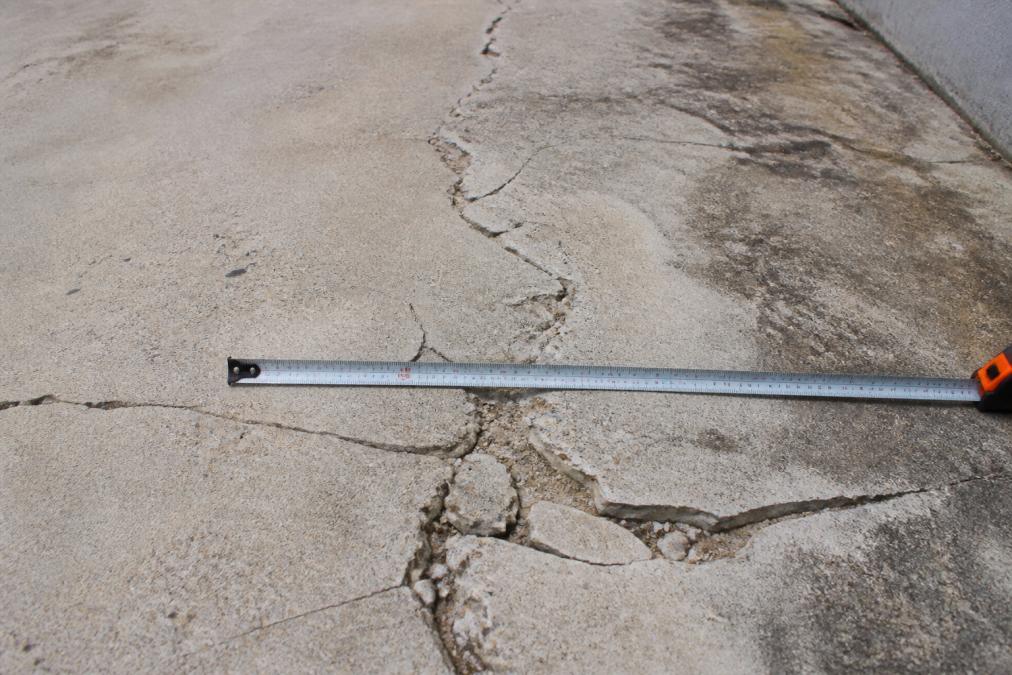
Clean the concrete thoroughly before the inspector arrives. High-pressure cleaning removes dirt, algae, and loose material, revealing true condition and helping contractors give precise quotes. Measure your area in square metres by multiplying length and width, or breaking irregular spaces into sections and adding them together. Accuracy prevents surprises when the quote arrives.
Cost per square metre varies significantly based on several factors. Surface preparation is often the largest cost component, extensive grinding, crack repair, or moisture remediation adds substantially to the total. Material selection dramatically affects pricing: spray-on concrete, epoxy coatings, decorative finishes, and standard sealants each carry different costs. Coloured concrete and stencilled patterns cost more than plain resurfacing, and anti-slip coatings add further expense.
Space complexity influences cost per square metre. A simple rectangular driveway costs less than one with multiple levels, steps, or intricate edges. Residential projects typically cost less per square metre than commercial installations, which demand slip-resistant coatings and rigorous durability standards.
Labour costs depend on location and contractor experience. Experienced teams may charge more per hour but complete work faster with fewer issues. Site accessibility matters too, ground-level driveways are straightforward; elevated platforms require additional safety measures. Current material availability and seasonal demand also affect pricing.
Concrete resurfacing is almost always cheaper than replacement when the underlying structure is sound. If the sub-base is stable and the slab isn't severely cracked or broken, resurfacing restores appearance and function at a fraction of replacement cost.
Replacement becomes necessary when structural damage is extensive, deep cracks, uneven sinking, or severe moisture problems. Replacement costs include demolition, removal, sub-base preparation, and new installation, making it significantly more expensive than resurfacing.
New concrete typically lasts 25-30 years; resurfaced concrete lasts 10-15 years depending on coating and climate. For long-term homeowners, replacement offers better value despite higher upfront costs. For those selling within five years, resurfacing provides the aesthetic improvement buyers want without replacement investment. Resurfacing also generates less waste and requires fewer raw materials, making it the more eco-conscious choice when structurally viable.
Create a detailed record before contacting contractors. Take photographs from multiple angles and lighting conditions, close-ups show cracks and damage clearly; wider shots show overall area and property context. Write down specific observations: crack size and depth, staining patterns, lifted or spalling areas, and when damage appeared or worsened. This timeline helps professionals diagnose underlying causes.
Accurate measurements are essential for realistic quotes. Use a measuring tape to determine length and width in metres. For rectangular areas, multiply length × width. For irregular shapes, divide into rectangles, measure each section, and add totals. Measure multiple levels or sections separately. Record measurements in writing and photograph the tape in place to prevent disputes and ensure contractors quote the same area.
Different materials suit different purposes and budgets. Spray-on concrete creates seamless finishes customisable with colour and texture. Epoxy coatings work well for pool surrounds and commercial spaces requiring slip resistance. Standard sealants protect and enhance existing concrete without changing appearance.
Consider intended use: high-traffic commercial spaces need durability and slip resistance; residential patios may prioritise aesthetics; pool surrounds must prevent slipping when wet. Think about maintenance demands, some finishes require regular resealing; others are more low-maintenance. Colour and finish options vary by material, with decorative concrete allowing stencilled patterns and multiple colours at higher cost.
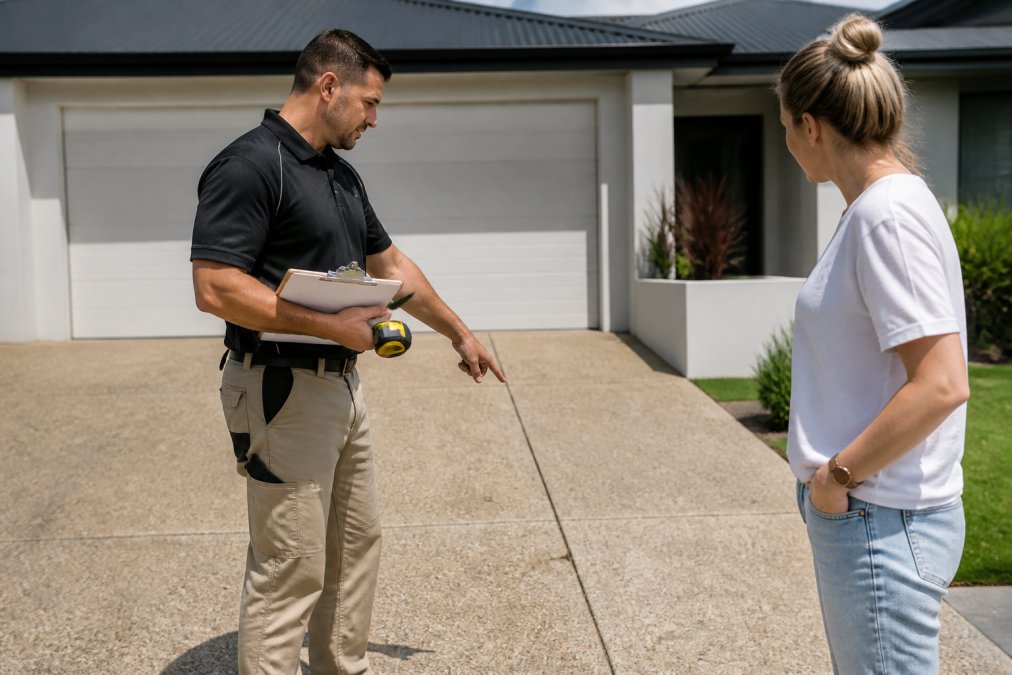
Contact two to three contractors for site inspections and quotes. Provide photographs, measurements, and problem descriptions to help them prepare. During inspection, professionals examine moisture levels, assess crack severity, evaluate sub-base condition, and test for structural issues. Ask the contractor to explain findings and how they affect options and pricing.
Request a written quote itemising costs separately: materials, labour, surface preparation, and timeline. This breakdown lets you compare quotes accurately and understand where your money goes. A detailed quote protects both you and the contractor by clearly defining scope.
Underestimating surface preparation needs is frequent. Hidden moisture, weak sub-bases, or deep cracks require extensive prep work. Ask specifically about preparation costs, significantly lower quotes might reflect inadequate planning.
Failing to disclose moisture issues creates problems later. Tell contractors upfront if water pools or seeps underneath, as moisture is the primary reason resurfacing fails prematurely. Comparing quotes without understanding scope differences leads to poor decisions, one contractor might include high-pressure cleaning and crack repair while another lists these as extras. Always request quotes on identical scope.
Choosing based on price alone often backfires. The cheapest quote might reflect cutting corners on preparation, lower-quality materials, or underestimated labour. Ignoring warranty terms is a mistake, ask what's covered and for how long. Not discussing timeline expectations causes frustration; ask how long preparation, resurfacing, and curing take before you can use the surface.
A comprehensive quote addresses warranty coverage explicitly, specifying what's guaranteed and for how long. Workmanship warranties typically cover installation defects for one to five years; material warranties vary by product. Your quote should clarify exclusions, most don't cover extreme weather damage, improper maintenance, or normal wear.
Ask about maintenance requirements and how they affect warranty validity. Some finishes require annual resealing; others need specific cleaning methods. Long-term value extends beyond warranty, a surface lasting 15 years with minimal maintenance offers better value than one requiring extensive upkeep after three years.
Request references or photos of previous work to see how surfaces look after one to two years, giving realistic expectations. Ask about customer satisfaction and whether previous clients would recommend the contractor.
Getting a quote for concrete resurfacing doesn't have to be overwhelming when you understand what to expect and how to prepare. The key is thorough documentation, accurate measurements, and clear communication about your concrete's condition and goals. With multiple quotes and a solid understanding of what drives costs and longevity, you'll make an informed decision that delivers real value.
Spray Pave Pro brings 23 years of experience to every concrete resurfacing project, combining professional assessment with transparent quoting and durable results. Whether your concrete needs aesthetic restoration or functional repair, their team delivers the expertise to transform deteriorated surfaces into attractive, long-lasting finishes. Get in touch for a free quote and discover how professional resurfacing can enhance your property's value and appeal.
Contractors need your surface dimensions (length and width in metres), current condition (cracks, stains, surface damage), desired finish type (spray-on, epoxy, decorative), and site accessibility details. Site inspections help identify sub-base condition and moisture testing requirements. High-quality quotes always include a physical inspection rather than phone estimates alone, ensuring accuracy and preventing costly surprises.
Resurfacing typically costs significantly less than full replacement because it avoids excavation, disposal, and sub-base reconstruction. However, if your concrete has severe structural damage, deep settlement, or failed sub-base, replacement may be the only lasting solution. A professional site inspection reveals whether resurfacing will hold or if replacement is necessary for long-term durability.
Quote approval to finished surface usually takes 1-3 weeks, depending on weather, curing time, and surface preparation complexity. Surface preparation and moisture testing may add 2-3 days. Epoxy and spray-on coatings require 48-72 hours curing before use. Ask your contractor for a detailed timeline during the quoting process so you can plan accordingly.
Reputable contractors offer warranties covering material defects and workmanship, typically 2-5 years depending on the finish type. Your quote should specify warranty terms, what's covered (peeling, cracking, colour fading), and exclusions (normal wear, improper maintenance). Warranty and insurance details protect your investment and signal contractor confidence in their work quality.
This article was written using GrandRanker
