
Last Updated: September 2, 2026
The lifespan of concrete sealing depends on the sealer type you choose. Water-based sealers typically last 1-3 years, solvent-based options extend to 3-5 years, and penetrating sealers can protect concrete for 3-10 years depending on conditions. Film-forming sealers like acrylics offer 2-4 years of protection before reapplication becomes necessary.
Understanding these timelines matters because resealing at the wrong time wastes money, while waiting too long leaves your concrete vulnerable to damage. At Spray Pave Pro, we've found that most homeowners underestimate how quickly their sealer degrades, especially in the local climate where UV exposure and moisture work against protective coatings year-round.
The variation in lifespan comes down to chemistry and how each sealer interacts with concrete's porous substrate. Some sealers sit on top of the surface (film-forming), while others penetrate deep into the concrete (penetrating sealers). Each approach has trade-offs in durability, appearance, and maintenance requirements.
Water-based sealers are the most affordable entry point but also the shortest-lived option, typically lasting 1-3 years. These formulations are inherently more susceptible to water penetration and UV degradation. The advantage is simplicity and low cost, they dry quickly, emit minimal odour, and clean up easily with water.
Water-based sealers work best on interior concrete or protected areas like covered patios. Exposed driveways and pool surrounds in direct sunlight will degrade much faster, sometimes within 12-18 months.
Solvent-based sealers offer a middle ground, typically lasting 3-5 years with proper application and maintenance. These formulations penetrate concrete more effectively than water-based alternatives, creating a more durable barrier against moisture and contaminants. The trade-off is stronger odour during application and longer curing times, which is why many homeowners prefer professional application.
For residential driveways and moderate-traffic areas, solvent-based sealers represent good value, withstanding weather better than water-based options without the premium cost of specialty penetrating sealers.
Acrylic sealers sit in the film-forming category and typically last 2-4 years. They create a visible protective layer that can enhance colour and provide a slight sheen or gloss finish. However, acrylic sealers are more prone to peeling and flaking than penetrating alternatives, especially under foot traffic or vehicle movement, since the film sits on top rather than bonding deeply.
Acrylic works reasonably well for decorative concrete or areas with light foot traffic. For functional surfaces like driveways, you'll likely see peeling within 2-3 years rather than the full 4-year potential.
These premium options offer lifespans ranging from 3-10 years depending on environmental conditions and application quality. Silane and siloxane sealers penetrate deeply into the concrete's pore structure, creating a hydrophobic barrier that repels water without forming a visible topical film. Because they bond with concrete at a molecular level, they won't peel or flake like film-forming sealers.
Siloxane sealers generally outperform silane in durability, often reaching 8-10 years in moderate climates. Both are significantly more expensive than water-based or acrylic options, but the extended intervals between resealing often justify the upfront cost over a 10-year period.
Sealer longevity isn't fixed, it's a range that shifts based on how your concrete is used and what environmental pressures it faces.
Heavy foot traffic and vehicle movement accelerate sealer breakdown. A sealed driveway handling daily vehicle traffic will degrade faster than a sealed patio used occasionally. In high-traffic areas, you can expect sealer lifespan to drop by 30-50% compared to protected surfaces.
For residential driveways, assume the lower end of any sealer's lifespan range if you have multiple vehicles or frequent deliveries.
Concrete exposed to direct sunlight degrades faster than shaded surfaces. UV rays break down the chemical bonds in sealers, causing them to lose effectiveness and become chalky or discoloured. The intense sun in many areas means sealed concrete in full sun will show wear faster than the same sealer in partially shaded areas.
Weather patterns matter more than total rainfall. Frequent wet-dry cycles stress the sealer more than consistent moisture. Variable weather, alternating between dry, sunny periods and wet spells, tends to challenge sealers more than steadier climates.
Although the climate rarely experiences freezing temperatures, moisture infiltration remains critical. If water penetrates beneath the sealer and reaches the concrete substrate, it can cause spalling and damage. Proper surface preparation and drainage are essential, if water can't escape from beneath the sealer, you'll see failure within months rather than years.
Concrete porosity directly affects how well a sealer bonds and performs. Highly porous concrete absorbs sealers unevenly, creating weak spots. Professional surface preparation, pressure cleaning, degreasing, and sometimes grinding, removes contaminants and opens the concrete's pore structure for better sealer penetration, extending lifespan by 1-2 years compared to DIY application without proper prep.
New concrete must cure fully before sealing. Most concrete requires 28 days of curing before sealing because concrete continues to harden and gain strength during this period (research on concrete curing). Sealing concrete too early traps moisture inside, causing damage and preventing the sealer from bonding properly.
Some fast-curing sealers claim to work on concrete cured for just 7-14 days, but this is risky. Most professionals recommend waiting the full 28 days to avoid problems.
Knowing when to reseal is as important as choosing the right sealer. Waiting too long leaves concrete vulnerable, but resealing too early wastes money.
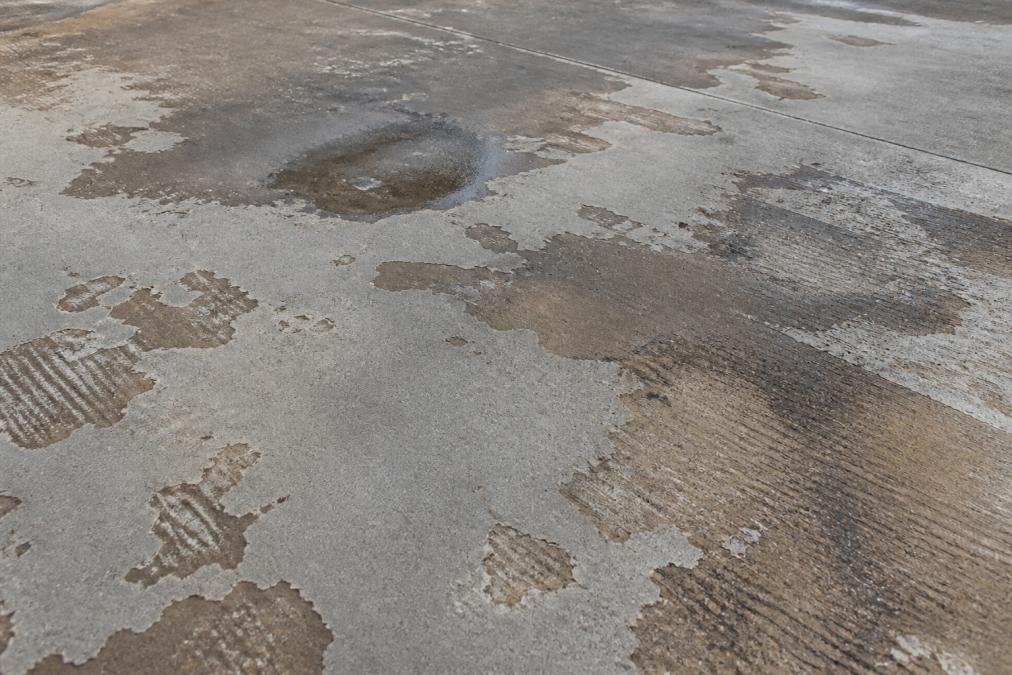
The most obvious sign is loss of water beading. When you pour water on sealed concrete, it should bead up and run off. If water soaks in or spreads flat across the surface, the sealer has failed and needs replacement.
Discolouration and fading indicate UV damage and sealer breakdown. The surface may look chalky or dull rather than glossy. Peeling or flaking is a clear failure signal, especially with film-forming sealers. Once peeling starts, it accelerates quickly as water gets underneath and breaks the adhesion further.
Efflorescence (white, powdery deposits) on the surface suggests moisture is moving through the concrete. Mould or algae growth, particularly in shaded or damp areas, also suggests sealer failure.
Peeling is the most common sealer failure mode, and it's almost always preventable with proper application and maintenance. Peeling occurs when the sealer doesn't bond properly to the concrete substrate, caused by:
Prevention requires attention to preparation and application technique. Once peeling starts, you can't simply reseal over it, the loose sealer must be removed completely before new sealer is applied.
Your resealing schedule depends on sealer type, traffic levels, and environmental exposure. For residential driveways in moderate climates with typical traffic:
Heavy-traffic areas need more frequent resealing, often annually for water-based products. Light-use surfaces like covered patios can stretch intervals longer.
The water-beading test guides resealing timing. When water no longer beads on the surface, it's time to reseal. Maintenance between sealings extends sealer lifespan, regular cleaning removes contaminants that accelerate breakdown, and avoiding harsh chemicals and de-icing salts protects the sealer.
Penetrating sealers (silane, siloxane, and some acrylics) absorb into the concrete and create a hydrophobic barrier within the pore structure. Because they're integrated into the concrete itself, they resist peeling and flaking. Topical sealers (film-forming acrylics, polyurethanes, and epoxies) sit on the concrete surface, creating a visible protective layer that enhances colour and gloss but is vulnerable to peeling and wear from traffic.
Penetrating sealers typically outlast topical sealers by 2-4 years in the same conditions. The trade-off is appearance, topical sealers enhance concrete's look while penetrating sealers are nearly invisible.
Film-forming sealers create a physical barrier that resists abrasion from foot traffic and vehicle movement. Epoxy and polyurethane topical sealers offer excellent abrasion resistance but are more expensive and require professional application. Acrylic sealers offer moderate abrasion resistance but may show wear patterns in high-traffic areas within 2-3 years.
Penetrating sealers won't peel or flake because they're bonded chemically to the concrete. They also allow the concrete to breathe, moisture can escape rather than accumulating underneath, preventing efflorescence and mould growth. The downside is less visible protection, making it harder to judge when resealing is needed.
Professional application typically extends sealer lifespan by 1-2 years compared to DIY work through:
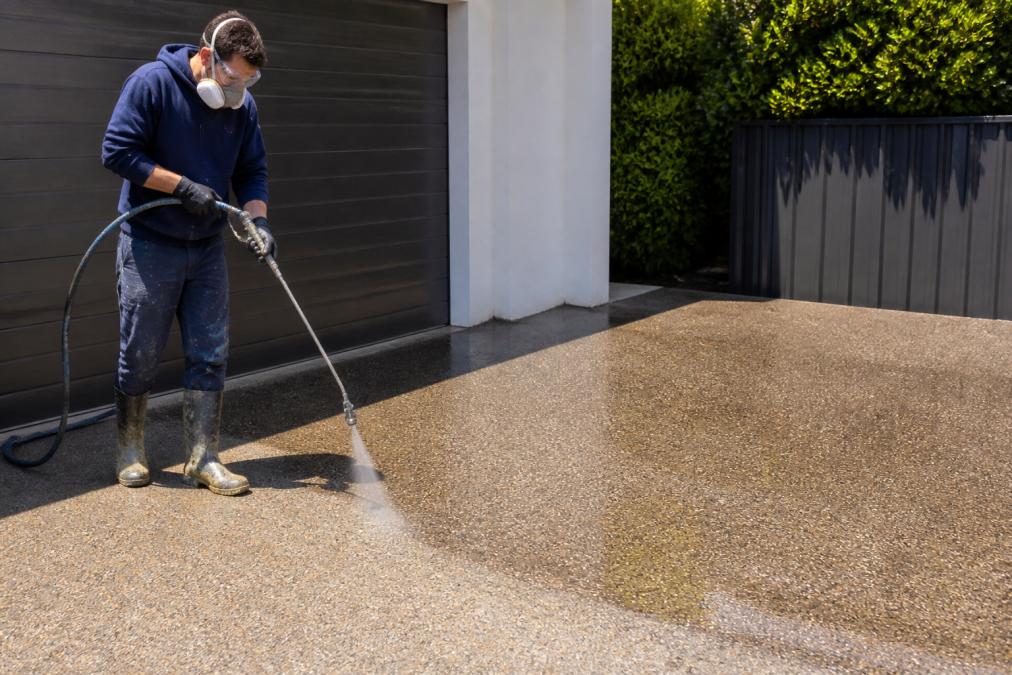
Surface preparation. Professionals use high-pressure cleaning, degreasing, and sometimes grinding to remove all contaminants. DIY preparation often skips these steps, leaving weak spots where the sealer won't bond properly.
Moisture testing. Professionals test concrete moisture before sealing to ensure it's dry enough. Sealing damp concrete causes peeling and failure.
Application technique. Professional equipment applies sealers evenly and at the right thickness. DIY application often results in uneven coverage and inadequate protection.
Environmental control. Professionals apply sealers in suitable conditions. DIY application happens whenever convenient, which may prevent proper curing.
Product selection. Professionals choose sealers matched to the concrete type, climate, and intended use rather than based on price alone.
For a driveway sealed with a quality penetrating sealer, professional application might deliver 8-10 years of protection while DIY application delivers 5-7 years. The cost difference is typically 30-50%, but professional application often proves more cost-effective over a 10-year period.
Spray Pave Pro's professional sealing service includes proper preparation, moisture testing, controlled application, and product selection matched to your specific concrete and climate conditions. This expertise translates to sealer lifespan that meets or exceeds the maximum ranges discussed throughout this guide.
How long concrete sealing lasts ultimately depends on choosing the right sealer type for your situation, maintaining it properly, and applying it correctly. Water-based sealers offer affordability but require frequent resealing. Penetrating sealers like silane and siloxane provide the longest protection but cost more upfront. Professional application extends lifespan significantly compared to DIY work. Regular maintenance, cleaning, water-beading tests, and timely resealing keeps your concrete protected for years. When you're ready to seal or reseal your concrete, understanding concrete maintenance best practices helps ensure you choose the right approach. Get a free quote from Spray Pave Pro today and discover how professional sealing can protect and enhance your concrete surfaces for the long term.
Concrete sealing durability varies by sealer type. Water-based sealers last 1-2 years, solvent-based options 3-5 years, and penetrating sealers like silane and siloxane can last 3-5 years or longer. Heavy traffic, UV exposure, and freeze-thaw cycles reduce lifespan. Professional application and proper surface preparation extend longevity significantly compared to DIY methods.
Sealer peeling occurs when moisture becomes trapped beneath the coating, poor surface preparation prevents adhesion, or incompatible products are applied over old sealer. Topical sealers are more prone to peeling than penetrating types. Inadequate curing time before exposure to water, improper application technique, and substrate movement from freeze-thaw cycles also cause failure. Professional preparation and application reduce peeling risk.
Reseal concrete every 1-3 years for water-based sealers, 3-5 years for solvent-based products, and 3-7 years for penetrating sealers, depending on traffic levels and climate. High-traffic residential driveways typically need resealing every 2-3 years. Monitor for water beading loss, discolouration, or visible wear. Professional inspection helps determine exact timing. Maintenance schedules extend overall lifespan and prevent costly surface damage.
Penetrating sealers like silane and siloxane penetrate the concrete substrate, offering 3-7 years of protection with better resistance to peeling and moisture intrusion. Topical sealers form a film on the surface, lasting 1-3 years but providing superior abrasion resistance and aesthetic finish. Penetrating sealers suit high-moisture environments; topical sealers work well for appearance-focused applications. Both require proper surface preparation and curing time for optimal performance.
This article was written using GrandRanker
