
Last Updated: October 22, 2026
Quick Summary
The best concrete overlay for high traffic areas combines polymer-modified or fibre-reinforced formulations that provide flexibility, adhesion, and abrasion resistance. For residential applications, these overlays last 10-15 years with proper sealing, while commercial systems must be traffic-rated and installed quickly to minimise downtime.
When driveways, walkways, and commercial floors take a beating from constant foot and vehicle traffic, a deteriorating concrete surface isn't just an eyesore, it's a liability. The best concrete overlay for high traffic areas combines durability, adhesion, and resistance to wear in a way that standard concrete repairs simply cannot match.
This guide covers the overlay types that actually perform under pressure, how to assess whether your existing concrete can support an overlay, and what separates a long-lasting installation from a cosmetic cover-up that'll peel or crack when the weather turns or traffic intensifies.
A concrete overlay is a resurfacing compound applied over existing concrete to repair damage, improve aesthetics, and extend service life.
Vehicle traffic creates repetitive stress that flexes the concrete. Foot traffic, while lighter, often involves moisture and chemical exposure (salt, oils, cleaning agents) that can weaken the bond over time.
Polymer-modified overlays perform better than standard concrete resurfacers in high-traffic zones because the polymer binders create flexibility.
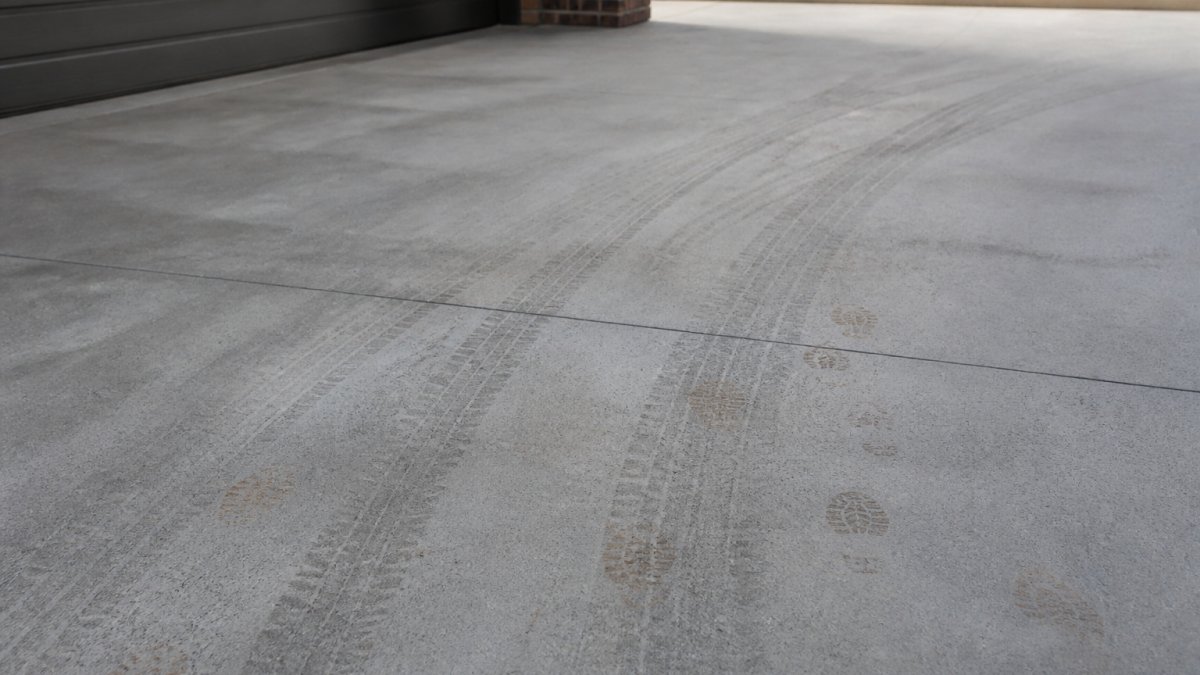
For commercial applications, car parks, loading areas, and retail plazas, traffic-rated overlays are non-negotiable.
The difference between pedestrian and vehicle traffic matters more than most guides acknowledge.
Residential overlays prioritise aesthetics alongside durability. A homeowner wants their driveway or patio to look good and perform reliably for 10-15 years.
Residential driveways and patios typically see light to moderate traffic.
Commercial floors in retail environments, hospitality venues, and industrial spaces face continuous traffic. A café's outdoor seating area might see hundreds of footsteps daily. A car park overlay must withstand both vehicle loads and thermal stress from sun exposure.
The best concrete overlay for high traffic areas in commercial settings is one that can be installed quickly, as many businesses cannot afford extended downtime.
Curing time also differs. Residential overlays might tolerate a 48-72 hour cure before light use. Commercial floors often need to handle traffic within 24 hours, which narrows the product options to fast-setting, high-early-strength formulations.
A slip-resistant concrete overlay is essential wherever water, moisture, or wet conditions are present, pool surrounds, shower areas, kitchen floors in hospitality venues, and outdoor walkways in wet climates. Standard smooth overlays are hazardous in these environments; a slip incident can result in injury claims, liability exposure, and reputational damage for commercial operators.
Slip resistance is measured by coefficient of friction (COF). Higher COF means higher grip. Most building codes and safety standards recommend a minimum COF of 0.5 for wet areas, though 0.6 or higher is preferable for high-traffic zones where the risk of injury is greatest.
Texture options for slip resistance include:
For pool surrounds and wet commercial areas, aggregate exposure combined with a quality sealer is a reliable approach. The sealer protects the overlay from UV and chemical degradation whilst maintaining slip resistance.
A concrete sealer for high-traffic areas is not optional, it's the difference between an overlay that lasts 5-7 years and one that fails within 2-3 years. The sealer protects the overlay from moisture infiltration, UV damage, chemical attack, and oxidation.
Without sealing, moisture penetrates the overlay and reaches the substrate. Freeze-thaw cycles (common in temperate climates) cause water to expand as it freezes, creating internal stress that cracks the overlay from underneath. Salt, oils, and cleaning chemicals accelerate surface degradation.
Sealers come in two main categories:
For high-traffic residential areas, a quality penetrating sealer reapplied every 2-3 years is often sufficient. For commercial applications, particularly in wet environments, a topical epoxy sealer provides the durability and chemical resistance required.
The common misconception is that sealing is a one-time investment. High-traffic areas degrade the sealer faster than low-traffic zones. A driveway or car park sealer typically requires reapplication every 2-4 years, depending on traffic intensity and climate.
The service life of a best concrete overlay for high traffic areas typically ranges from 7-15 years, depending on the overlay type, substrate condition, traffic intensity, and maintenance discipline. A well-installed, properly sealed overlay in a moderate-traffic residential setting might last 12-15 years. A heavily trafficked commercial car park overlay might require replacement or significant repair after 7-10 years.
Durability is determined by several factors:
Maintenance for high-traffic overlays includes:
Repairability is an overlooked advantage of overlay systems. Unlike a complete concrete replacement, an overlay can often be patched or resealed to extend its life. A section of a commercial car park overlay that's worn through can be addressed with a localised repair, not a full replacement. This keeps lifecycle costs down and minimises operational disruption.
The best concrete overlay installation begins long before the overlay is applied, it starts with honest assessment of the substrate and rigorous surface preparation. Many overlay failures trace back to inadequate prep, not product failure.
Surface preparation for a concrete overlay includes:
Substrate risks that compromise overlay performance include:
Spray Pave Pro's installation process includes thorough substrate assessment. If the concrete is unsuitable for overlay (severe structural damage, active moisture issues, or ongoing movement), we identify this before work begins, preventing costly failures and protecting your investment.
The installation timeline varies by system. Spray-applied overlays can often be applied and cured within 24-48 hours, allowing quick return to service. Trowel-applied systems may require 3-5 days from preparation through full cure. For commercial applications where downtime is costly, the faster installation of spray systems is a significant advantage.
The best concrete overlay for high traffic areas balances durability, adhesion, slip resistance, and maintenance requirements specific to your application. For residential driveways and patios, a polymer-modified or fibre-reinforced overlay with professional sealing delivers 10-15 years of protection and enhanced curb appeal. For commercial floors, car parks, retail plazas, hospitality venues, traffic-rated overlays with quick installation and slip-resistant textures minimise downtime whilst meeting safety standards.
At Spray Pave Pro, we assess your concrete, recommend the overlay system best suited to your traffic patterns and climate exposure, and deliver professional installation backed by our 23 years of experience and 100% satisfaction guarantee.
Australian Standards for concrete durability and performance
Concrete Institute guidance on overlay selection and installation
WorkSafe guidelines on slip resistance in commercial flooring
Get a free quote from Spray Pave Pro today. Our team will evaluate your concrete, discuss your priorities, and recommend the overlay solution that delivers the durability, safety, and appearance you need.
A concrete sealer for high-traffic areas should offer strong adhesion to the substrate, abrasion resistance, and flexibility to withstand movement and impact. Polymer-modified sealers and epoxy-based options provide superior durability in busy environments. The best choice depends on whether the area experiences vehicle traffic, heavy foot traffic, or moisture exposure. Professional application ensures proper curing and maximum service life.
Yes, but proper surface preparation is critical. Existing cracks must be repaired and cleaned before overlay application. The substrate must be structurally sound; deep spalls or severe damage may require repair first. A concrete overlay can cover cosmetic damage and worn surfaces, but it cannot fix structural failure. Professional assessment determines whether the existing concrete can support an overlay or needs repair beforehand.
A properly installed concrete overlay in high-traffic areas typically lasts 10-15 years or longer, depending on traffic intensity, climate exposure, and maintenance. Vehicle traffic and heavy foot traffic accelerate wear; regular sealing and cleaning extend service life. Slip-resistant overlays and decorative finishes may require periodic resealing every 2-3 years. Quality of installation and substrate condition directly affect durability.
Concrete overlays require proper substrate preparation and skilled installation; poor preparation leads to failure. They can be costly upfront, though less expensive than full replacement. Overlays cannot fix deep structural damage and may not suit all climates. Maintenance is necessary to preserve appearance and durability. If the existing concrete is severely compromised, an overlay may be a temporary solution rather than a permanent fix.
