
Last Updated: October 10, 2026
Spray-on concrete last between 8 to 15 years under normal conditions, with many installations reaching 15 to 20 years or more when properly maintained. The actual service life depends heavily on how well the existing concrete slab was prepared, the quality of materials used, and how well you care for the surface after installation.
At Spray Pave Pro, we understand that spray-on coatings perform exceptionally well across properties when the foundation is sound and maintenance is consistent. The difference between a coating that fails after five years and one that lasts two decades often comes down to three factors: what you start with, how it's applied, and what you do after installation.
Think of spray-on concrete like painting a wall. You can use cheap paint on poorly prepared drywall and expect it to peel within months. Or you can prep the surface properly, use quality materials, and maintain it, and watch it hold for years. The same logic applies to your driveway or patio.
Several critical factors control how long your concrete resurfacing will actually last. Understanding these helps you make a realistic investment decision and know what to expect over time.
The condition of your original concrete is the foundation of everything. If the slab beneath is structurally sound, your coating has a fighting chance. If it's cracked, shifting, or deteriorating, no coating will fix that.
A structurally sound slab means no major cracks, no heaving, and no signs of movement. We assess this carefully before any work begins. If your concrete is already breaking apart underneath, resurfacing is cosmetic at best, it won't solve the underlying problem.
Deep cracks, spalling (where chunks are missing), or evidence of water damage all reduce how long your coating will last. The coating can't bond properly to damaged concrete, and moisture will eventually find its way underneath, causing peeling and failure.
This is where most spray-on concrete jobs succeed or fail. Poor surface preparation kills even the best coating.
Surface preparation means cleaning the concrete thoroughly, repairing obvious damage, and creating a texture the coating can grip. If this step is rushed or skipped, adhesion suffers immediately. Within months, you'll see peeling or flaking.
Installation quality matters equally. The coating must be applied at the right temperature, humidity, and thickness. Too thin and it won't protect. Too thick and it cracks as it cures. The spray pattern, pressure, and technique all affect how well the coating bonds and performs long-term.
Not all spray-on concrete coatings are equal. Some are cheap acrylic-based products. Others are polyurethane or epoxy systems designed for heavy traffic and harsh conditions.
Higher-quality coating systems resist UV exposure, moisture penetration, and wear better than budget options. They cost more upfront, but they'll outlast cheaper alternatives by years. If you're investing in resurfacing, the material quality directly impacts your return on that investment.
Perth's climate, hot summers, occasional heavy rain, and intense UV exposure, affects how long your coating lasts. UV rays break down the surface finish over time, causing fading and degradation. Moisture from rain and humidity can seep beneath poorly sealed coatings, leading to failure.
Weather conditions are something you can't control, but you can prepare for them. Proper sealing and maintenance help your coating resist these outdoor elements. A coating designed for Australian conditions will outperform one built for milder climates.
High-traffic areas exposed to constant sun age faster than shaded or lightly used surfaces. A driveway that bakes in the sun all day will show wear sooner than a covered patio.
Driveways face unique challenges. They endure constant vehicle traffic, temperature swings, and weather exposure. A well-executed spray-on concrete can last for many years on driveways with excellent maintenance.
The key difference between a driveway that lasts and one that fails early is traffic load and care. A light-use driveway in good condition may reach the upper end of that range. A heavily trafficked driveway with poor maintenance may fail sooner.
Slip resistance matters for safety, especially in wet conditions. Quality spray-on coatings can provide better grip than plain concrete, reducing accident risk. This benefit compounds over time if the coating remains in good condition.
Maintenance is where you take control of longevity. A coating that gets proper care will consistently outlast one that's neglected.
Clean your resurfaced concrete regularly, at least twice yearly, more often in high-traffic areas. Dirt, algae, and organic growth trap moisture and accelerate degradation. A simple pressure wash removes these contaminants before they cause damage.
Avoid harsh chemicals that can strip the protective finish. Neutral pH cleaners are safest. After cleaning, allow the surface to dry completely before applying any sealer.
Protective care means addressing spills quickly. Oils, grease, and stains can penetrate the coating if left to sit. Wipe up spills immediately and clean the area with appropriate cleaner.
Small cracks or chips don't seem urgent, but they're entry points for moisture. Water seeps underneath and spreads the damage. A crack that's easy to repair today becomes a major problem in six months.
Inspect your surface quarterly. Look for peeling, cracking, fading, or discolouration. If you spot damage, contact a professional to assess whether repair or resealing is needed. Early intervention saves money and extends life.
Concrete resurfacing typically needs resealing every 1 to 3 years, but the right interval depends on your coating type, traffic level, climate exposure, and how well you maintain the surface between applications. A one-size-fits-all schedule will either waste money or leave your coating unprotected.
High-traffic driveways in sunny climates should be resealed annually or every 18 months. Vehicle tyres, heat, and UV exposure break down the protective barrier faster. If you skip resealing, you'll notice water no longer beads on the surface within 12-18 months, signalling that UV and oxidation have compromised the seal.
Moderate-traffic driveways and patios in mixed sun and shade can stretch to 2 years between resealing. If the surface is mostly shaded or receives light foot traffic only, 2-3 years is reasonable. Check annually with the water-bead test: pour a small amount of water on a clean, dry spot. If it beads and runs off, the seal is still effective. If it soaks in, resealing is overdue.
Lightly used patios, paths, and covered areas may go 3 years or longer between resealing, especially if they're shaded and protected from direct rain. However, even these surfaces benefit from annual inspection and spot cleaning to prevent algae growth and staining that can penetrate a weakened seal.
Climate-specific adjustments:
Maintenance schedule by task:
| Task | Frequency | Why It Matters | Skip It, And... |
|---|---|---|---|
| Pressure cleaning | 2× yearly (or after heavy rain/dust) | Removes algae, dirt, and contaminants that trap moisture and cause staining | Organic growth penetrates the seal; stains become permanent |
| Visual inspection | Quarterly | Catches peeling, cracking, or loss of water beading before damage spreads | Small cracks become large failures; moisture spreads underneath |
| Spot repairs (small cracks, chips) | As soon as noticed | Prevents water entry at damage points | Cracks widen; moisture seeps under coating; repair costs triple |
| Resealing | Every 1-3 years (see climate guidance above) | Restores UV and moisture protection worn away by weather and traffic | Water absorption increases; fading accelerates; coating fails prematurely |
| Deep clean and strip (if needed) | Every 5-7 years or before major reseal | Removes built-up dirt, algae, and old sealer that prevents new sealer from bonding | New sealer sits on top of old, peels within months |
How to know if you're resealing too late:
If you see any of these signs before your scheduled reseal date, don't wait, reseal immediately:
Resealing vs. full recoating:
Resealing applies a thin protective layer (typically 0.1-0.3 millimetres) over the existing coating. It's quick, affordable, and restores protection if the underlying coating is still sound. Full recoating removes or strips the old coating and applies a fresh layer (0.5-2 millimetres), which is necessary if the original coating is peeling, cracking extensively, or has failed in patches. If you've neglected resealing for 4+ years, you may need full recoating instead, which costs significantly more. Staying on schedule with resealing prevents this expensive step.
Watch for these warning signs that your coating is failing or nearing the end of its life.
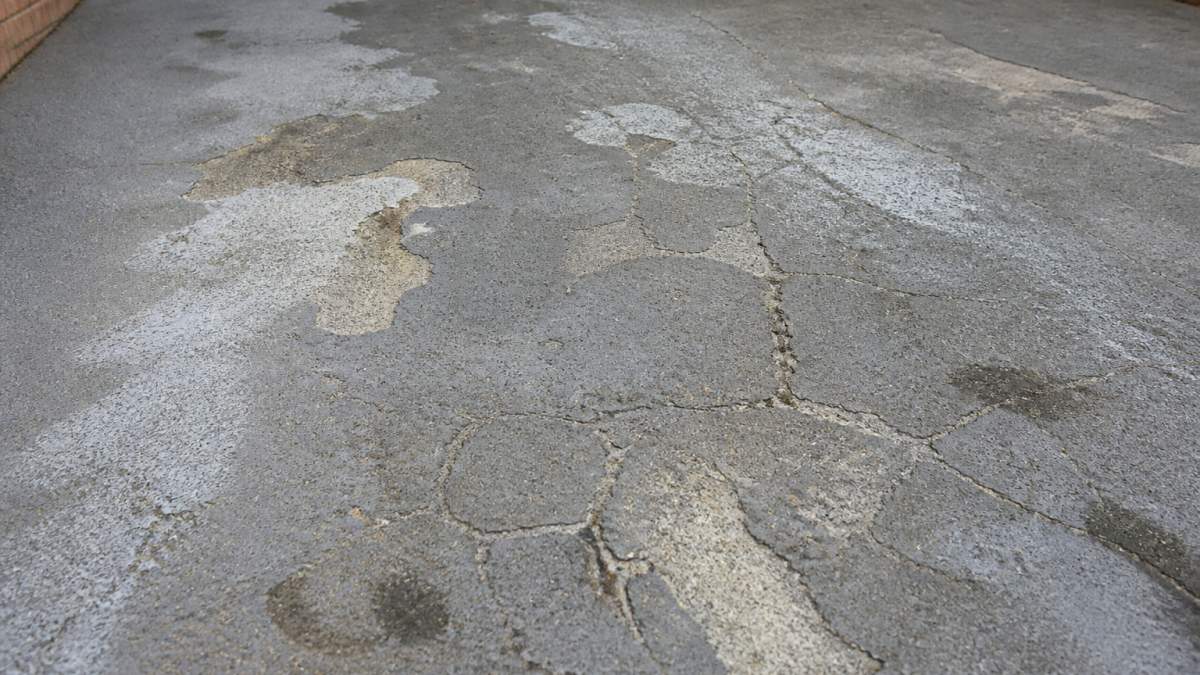
Peeling or flaking is the most obvious sign. If chunks of coating are lifting away, adhesion has failed. This usually means moisture has gotten underneath or the original surface prep was inadequate. Repair involves removing the failing coating and reapplying, which is more expensive than maintenance would have been.
Visible cracking in the coating itself indicates the material is breaking down. Fine hairline cracks may be cosmetic, but wider cracks allow water penetration. Address these promptly.
Fading and discolouration signal UV degradation. While cosmetic at first, fading often precedes structural failure. If your coating is noticeably lighter or stained, resealing can restore appearance and protect the underlying finish.
Staining that won't clean suggests the protective barrier is compromised. Oils and stains that once wiped away now absorb into the concrete. This means sealer protection is gone.
Soft or sticky spots indicate the coating isn't fully cured or has begun to break down chemically. These areas will fail quickly and should be assessed by a professional.
Loss of slip resistance makes the surface dangerous in wet conditions. If your coating feels slippery even when clean, it's time to reseal or replace it.
Spray-on concrete can deliver excellent value when installed and maintained properly. Most Perth homeowners find that a long lifespan justifies the investment, especially compared to the cost of replacing concrete entirely.
At Spray Pave Pro, we help you understand exactly what to expect from your resurfacing investment.
Spray-on concrete can last for many years when properly installed and maintained. Lifespan depends on the quality of the existing concrete slab, installation workmanship, the coating system used, and your local climate. High-traffic areas and regions with harsh weather may see shorter service life, while well-maintained surfaces can exceed expectations.
Several factors influence concrete resurfacing durability: the condition of the existing slab, surface preparation quality, installation skill, material quality, UV exposure, moisture, temperature fluctuations, and foot or vehicle traffic. Cracks or structural issues in the base concrete reduce lifespan. Poor preparation allows moisture to penetrate and cause peeling. High-quality coatings and expert installation significantly extend service life.
Most spray-on concrete surfaces benefit from resealing every 2 to 3 years, depending on traffic and weather exposure. High-traffic driveways or areas with heavy UV exposure may need resealing annually. Regular cleaning and inspection help determine when resealing is needed, if water no longer beads on the surface, it's time to reseal. A professional can assess your specific surface and recommend the best maintenance schedule.
Spray-on concrete can be applied over existing concrete, but the base slab must be structurally sound. Deep cracks or significant structural damage should be repaired first; otherwise, cracks will telegraph through the new coating and reduce lifespan. Proper surface preparation, cleaning, filling minor cracks, and ensuring good adhesion, is essential for durability. Your installer should assess the slab condition before proceeding.
