
Last Updated: October 24, 2026
Quick Summary
Concrete resurfacing worth it depends on whether your slab is structurally sound. If yes, resurfacing delivers significant curb appeal improvement at reasonable cost with 8-15 years of life; if no, replacement is the only real fix because resurfacing will fail over an unstable base.
It works best when the underlying slab is structurally sound, creating a durable top layer that hides blemishes and protects against weathering.
At Spray Pave Pro, we've spent over 23 years helping Perth homeowners decide whether concrete resurfacing is right for them.
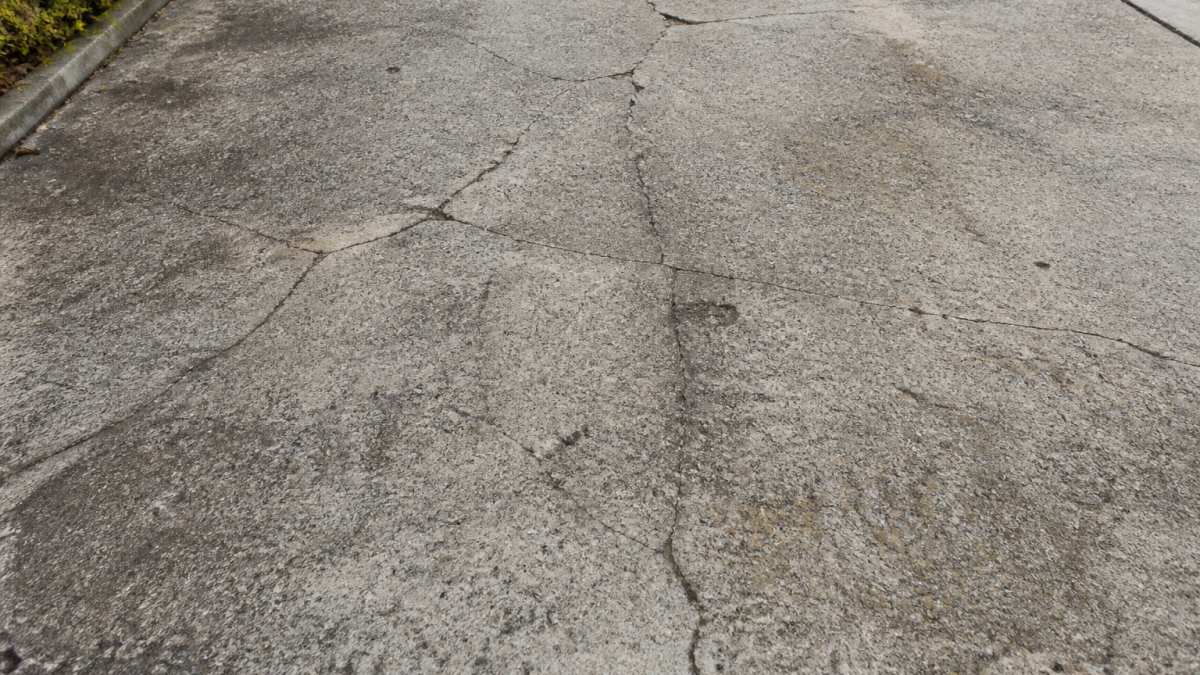
You can resurface a cracked concrete driveway, but crack size and depth matter. Surface-level cracks and hairline fractures are ideal: they can be filled and sealed during preparation, then covered by the new overlay.
Before committing to resurfacing, get an honest assessment of your slab's condition. Look for these warning signs:
If your driveway shows any of these, resurfacing may fail because the underlying problem remains unaddressed; replacement is often the more cost-effective long-term solution.
The real question is whether the cracks are cosmetic or structural: minor cracks on a stable slab are fine, major cracks on a moving slab are not. Learn more about why concrete resurfacing fails before deciding.
The choice depends on three factors: your slab's condition, your budget, and how long you plan to stay.
Resurfacing makes sense when:
Resurfacing takes days rather than weeks, with minimal disruption and a lower upfront cost.
Replacement makes sense when:
Replacement removes all doubt: a new slab built to current standards with proper drainage and compaction.
Compare the costs and timelines between resurfacing and replacement to see which option fits your specific situation and budget.
Resurfacing a problematic slab feels cheaper upfront, but when it fails in 3-5 years you're back to square one. Replacement costs more initially but solves it permanently.
Resurfacing and replacement suit different situations, depending on your slab's condition, budget, and how long you plan to stay.
| Situation | Resurfacing Makes Sense | Replacement Makes Sense |
|---|---|---|
| Slab condition | Structurally sound, no movement | Sinking, heaving, or structural movement |
| Cracks | Shallow and stable | Deep and actively growing |
| Main problems | Surface-level: staining, fading, wear | Severe damage or deterioration |
| Timeline | Days, minimal disruption | Weeks, full demolition |
| Cost upfront | Lower | Higher |
| Long-term outlook | Re-resurfacing needed in 5-10 years | Decades of service, fresh start |
| Best for | Quick curb appeal, selling soon | Long-term ownership, permanent fix |
A lifespan figure like "8 to 15 years" tells you nothing about where your driveway will land. What matters is what causes an overlay to fail, and which causes you can control.
An overlay fails in one of four ways, and each has a different cause:
Three of the four are preparation and moisture problems, lifespan is largely decided before the first trowel touches the driveway.
Water is the main enemy of any overlay; how it moves around your driveway determines how long the surface lasts.
Rather than a single range, think in scenarios:
Resurfacing is not a one-off purchase; it is a maintenance cycle.
Rule of thumb: if you plan to stay longer than the overlay's expected life, cost-per-year maths usually favours replacement. If you plan to sell within a few years, or the slab is sound and the problem is cosmetic, resurfacing's lower upfront cost and faster turnaround often win.
A full replacement typically lasts decades, which is why it makes financial sense for homeowners planning to stay long-term. Resurfacing suits those who want quick improvement and lower upfront cost, accepting that re-resurfacing or eventual replacement will be needed later. Explore the reasons why resurfacing fails to understand what can go wrong and how to avoid it.
"It depends on size and finish" is not a budget. What you need is a way to read a quote, compare it like-for-like against replacement, and know which line items are negotiable.
A professional quote is rarely a single square-metre rate. It is a stack of line items, and each one moves the total:
Ask for each as a separate line; a quote collapsed into one figure is harder to compare and harder to hold a contractor to.
Comparing sticker prices alone is wrong. The fair comparison is cost per square metre of finished, warrantable surface, over the years you expect to own the driveway.
A practical way to frame it:
The honest answer: resurfacing wins on upfront cost and cost per year if the slab is sound. If it isn't, the maths flips, because you pay twice, once for the overlay, and again for the deferred replacement.
Rather than anchoring on a single national figure, budget in ranges and stress-test them:
For a realistic picture of your own costs, request a free quote and have the contractor walk you through each line item. A professional assessment, not a square-metre rate, determines whether the number you are quoted is fair.
Is concrete resurfacing worth it? It depends on your situation, but here's how to think about it.
The decision hinges on one question: Is your existing slab structurally sound?
If no, resurfacing is not worth it. You're throwing money at a problem that won't be solved. Replacement is the only real fix.
The honest middle ground: get a professional assessment.
The first step is a professional site assessment: a qualified contractor will evaluate your driveway's condition, identify structural issues, and recommend whether resurfacing or replacement makes sense.
When you request a quote, provide clear information:
A good contractor will ask about drainage and past performance, inspect the slab for movement or structural damage, and explain what can and cannot be fixed with resurfacing.
Learn how to choose a qualified concrete resurfacing contractor before requesting quotes. The right contractor makes the difference between a successful project and a costly failure.
At Spray Pave Pro, we've completed thousands of resurfacing projects across Perth over more than two decades. Our team provides honest assessments and transparent quotes, telling you if resurfacing is the right choice or if replacement is the smarter investment. Get your free quote today and let's determine the best path forward for your property.
It depends on the underlying slab's condition. If the concrete is structurally sound, no sinking sections, no deep cracks running through the base, resurfacing can restore appearance and extend service life cost-effectively. If the slab has shifted, settled, or shows widespread structural damage, replacement is the safer investment. Have a professional inspect the driveway to assess whether the existing foundation will support a resurfacing overlay long-term.
Surface cracks can be repaired and sealed before resurfacing, but deep structural cracks that run through the slab will likely reappear. Resurfacing works best on driveways with cosmetic damage, staining, discolouration, minor wear, rather than structural defects. If cracks are deep or the slab is moving, the overlay will eventually delaminate or crack in the same pattern. Professional surface preparation and proper repair of repairable cracks significantly improve longevity.
Lifespan depends on climate exposure, weather cycles, maintenance frequency, and the quality of surface preparation. Regular sealing every 2 to 3 years and prompt repair of minor damage extend the service life significantly.
Resurfacing costs substantially less upfront than full replacement and causes minimal disruption, typically completed in days rather than weeks. It's worth it when the underlying slab is sound and you want improved appearance and durability without demolition. However, if the slab is severely damaged or sinking, replacement offers a longer lifespan and stronger long-term value. Compare total cost of ownership: a cheaper resurfacing that fails in 5 years may cost more over time than a durable replacement lasting 20+ years.
The decision to resurface your driveway shouldn't be based on cost alone. It should be based on your driveway's actual condition and your long-term plans. A professional assessment removes the guesswork and helps you make the right choice. Contact Spray Pave Pro to discuss your driveway's specific needs and explore the resurfacing or replacement options that deliver the best value for your situation.

