
Last Updated: October 25, 2026
Quick Summary
Choose an outdoor concrete finish based on the surface's exposure, use, and your maintenance commitment. Penetrating sealers offer natural appearance and slip resistance for driveways and patios, while film-forming sealers provide stronger stain protection for decorative concrete, though they become slippery when wet.
A surface that cracks, stains, or becomes slippery can affect safety and your property's appeal.
At Spray Pave Pro, we've spent over 23 years transforming deteriorating concrete into durable, attractive surfaces.
Australian Standards for concrete protection
For existing concrete, reseal when water stops beading. Most outdoor concrete needs resealing every 2-3 years, but pool surrounds, coastal exposures, and high-traffic areas may need attention sooner. Record the application date and product used to plan the next coat.
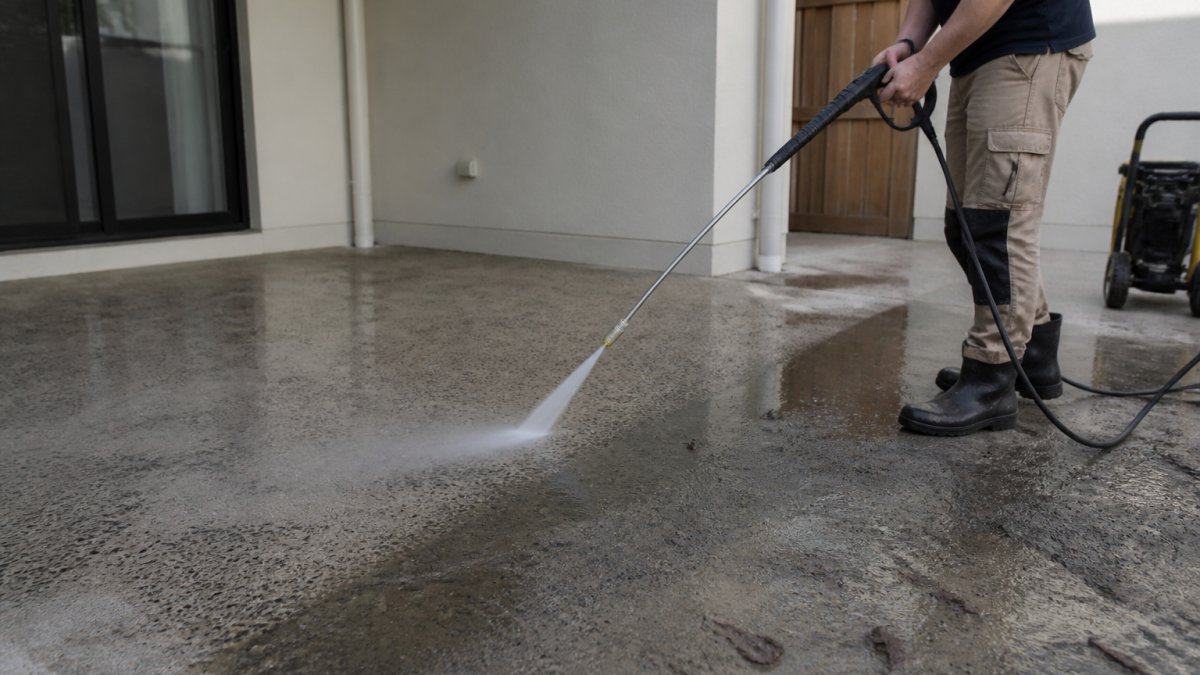
Repair steps:
Comparison of sealer types:
| Feature | Penetrating Sealer | Film-Forming Sealer |
|---|---|---|
| Appearance | Natural look | Glossy or satin finish |
| Slip resistance | High | Low when wet |
| Stain protection | Moderate | Strong |
| Water protection | Good | Excellent |
| Lifespan | 3-5 years | 5-7 years |
| Maintenance | Low | Moderate |
| Best for | Driveways, patios | Decorative concrete |
Spray Pave Pro offers spray-on concrete.
Safe pool surrounds guidelines
Learn more about non-slip pool surfacing options to see specific solutions for your facility.
A finish that works on a shaded driveway may fail on a sun-baked alfresco slab beside a pool. The right choice depends on what the surface is exposed to, how it is used, and how much maintenance you are prepared to do.
Heavy tables and chairs can scratch film-forming coatings, especially in the first few weeks before full cure, felt pads under furniture legs reduce this risk. For high-use entertaining areas, a penetrating sealer avoids the scratch-and-peel problem entirely, though it offers less stain protection.
A common benchmark for wet areas is a coefficient of friction above 0.5, though requirements vary by application and jurisdiction. For public or commercial surfaces, check the relevant building code and Australian Standards. For residential alfresco areas, wet a small area and walk on it in your normal shoes, if it feels unsafe, add a non-slip treatment.
In humid conditions, moisture management is critical: don't seal when the slab is damp or humidity is high, and allow longer curing times between coats.
Building Code of Australia requirements for exterior surfaces
Common installation mistakes:
Spray Pave Pro offers spray-on concrete, high-pressure cleaning, epoxy flooring, and professional sealing solutions.
Explore how to seal your alfresco concrete area to understand why proper preparation and sealing protect your investment.
Penetrating sealers absorb into the concrete pores to protect from within, leaving a natural appearance and allowing the surface to breathe. Film-forming sealers sit on top of the concrete, creating a visible protective layer that offers stronger stain resistance and colour enhancement. Penetrating sealers suit natural-look patios; film-forming works better for high-traffic areas or decorative concrete where durability and aesthetic appeal matter most.
Most quality concrete sealers last 2-5 years depending on traffic, weather exposure, and maintenance. High-traffic zones like driveways and pool surrounds may need resealing sooner. Epoxy coatings and specialist film-forming finishes can extend to 5-7 years. Regular cleaning and prompt repair of damaged areas will maximise your concrete sealer's service life and protect against moisture penetration and surface deterioration.
DIY sealing is possible for small, low-traffic areas if you prepare the surface correctly and follow application instructions carefully. However, professional application ensures proper surface preparation, correct sealer choice for your climate, even coverage, and faster curing. Professionals also manage moisture conditions and drainage to prevent peeling or flaking. For driveways, patios, or pool surrounds where slip resistance and durability are critical, professional installation offers better results and warranty protection.
Seal concrete if it shows water staining, dark patches from moisture penetration, visible cracks, or discolouration from contaminants. New concrete should cure for 28 days before sealing. If your patio or driveway is exposed to heavy rain, pool splash, or high foot traffic, sealing becomes essential to prevent structural damage and maintain aesthetic appeal. Unsealed concrete deteriorates faster in wet climates and becomes a slip hazard when damp.
Choosing the right outdoor concrete finish protects your property and keeps your outdoor space safe and attractive. The finish you select determines durability, maintenance demands, and long-term value. Spray Pave Pro can help you select the right finish for your specific needs and install it to last. Get a free quote today and discover how a quality concrete finish transforms your outdoor area.

