
Last Updated: September 18, 2026
Professional concrete sealing is the process of applying a protective coating to concrete surfaces to prevent water, oil, and stain penetration. The sealer bonds with the concrete's porous surface, creating a barrier that extends the material's lifespan and maintains its appearance.
Unsealed concrete absorbs moisture, dirt, and oils like a sponge. Sealed concrete resists these contaminants, stains don't stick, water doesn't pool, and cleaning becomes easier.
There are two main types of sealers: penetrating sealers and topical coatings. Penetrating sealers work by bonding at a molecular level within the concrete, maintaining the surface's natural texture and slip-resistance. Topical coatings like polyurethane and epoxy sit on top of the concrete, creating a glossy finish. Each serves different purposes depending on your climate and intended use.
The difference between amateur and professional sealing comes down to surface preparation, sealer selection, and technique. Rushing prep work or choosing the wrong sealer type undermines the entire investment.
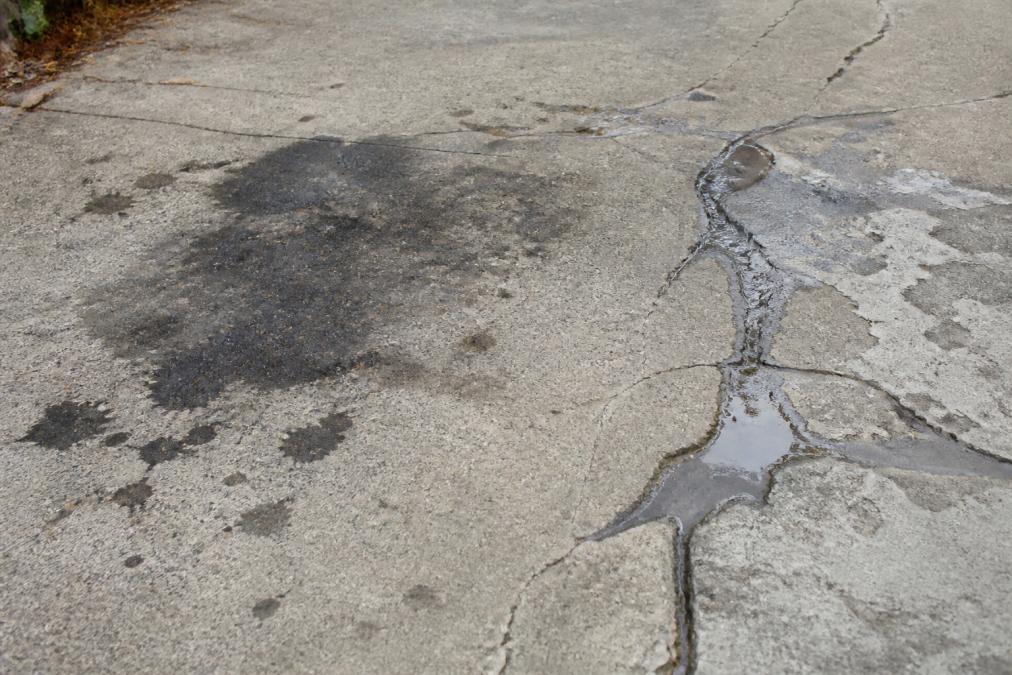
Your concrete tells you when it needs attention. Dark stains that won't wash away indicate the sealer has failed and water is penetrating the surface. Efflorescence, that white, chalky powder on the concrete, means moisture is rising from below, carrying salts to the surface. Both signal that resealing is due.
Spalling, where the concrete surface flakes or peels in chunks, means freeze-thaw cycles have already damaged the structure. Once spalling starts, sealing alone won't reverse it, though it can prevent further deterioration. Cracks wider than 3mm should be repaired before sealing, as water will still penetrate through them.
Discolouration and UV degradation signal worn protection. Most concrete needs resealing periodically, depending on traffic, weather exposure, and sealer type.
Water beading is a quick test. Splash water on your concrete. If it beads up and rolls off, the sealer is still working. If water soaks in and darkens the surface, resealing is overdue.
Concrete sealer durability varies significantly based on climate, traffic, and sealer type. Penetrating sealers typically last several years under normal conditions. Topical coatings like polyurethane and epoxy can last longer, though high-traffic areas wear faster.
Freeze-thaw cycles are the sealer's biggest enemy. Winter moisture that penetrates and refreezes expands, pushing the sealer away from concrete, making resealing frequency critical in regions with temperature swings.
UV exposure degrades sealers over time. UV-stable sealers last longer, but shaded areas still outlast sun-exposed sections by several years.
Professional application extends sealer life through proper surface preparation, correct thickness, and quality products. Rushed application or poor prep cuts lifespan in half.
Professional concrete sealing costs depend on surface condition. Heavily stained or cracked concrete requires more prep work and costs more than clean surfaces.
Sealer type matters significantly. Penetrating sealers cost less than topical coatings. Epoxy and polyurethane finishes command higher prices due to their durability and the skill required for application. The size of the area also influences per-square-metre pricing, larger projects typically cost less per unit than small ones.
Labour costs vary by region and contractor expertise, reflecting quality of results and warranty backing.
Surface preparation is where costs can surprise you. If your concrete requires grinding, crack filling, or extensive cleaning before sealing, that adds to the total. Some contractors bundle this into a quote; others charge separately.
A professional site assessment provides accurate cost estimates accounting for concrete condition, sealer type, and property size.
DIY sealing can appear cheaper upfront compared to professional services, but most DIY sealing fails within 12-18 months, costing more in total.
Why DIY Sealing Fails: A Failure Analysis
Most DIY sealing fails within 12-18 months due to one or more of these issues:
1. Inadequate Surface Preparation
Concrete must be clean, dry, and free of loose material for sealer adhesion. Pressure washing alone isn't enough. Common mistakes include:
2. Incorrect Sealer Selection
DIYers often buy shelf sealers without considering concrete type, climate, or intended use. Common mistakes:
3. Application Technique Errors
Application technique determines success: uneven coverage leaves thin spots that fail first; over-application becomes slippery and traps moisture; under-application fails prematurely; wrong weather prevents curing; inadequate curing time before use weakens the bond.
4. Timing and Curing Issues
New concrete must cure 28 days before sealing; existing concrete requires 48-72 hours drying after cleaning. Professionals schedule around weather windows; DIYers often seal concrete that's too wet or in poor conditions.
Identifying a Failed DIY Seal Job
If you're considering whether a previous seal job failed, look for these signs:
Failed sealers require professional stripping (costly), re-preparation, and correct resealing.
The Real Cost Comparison
| Approach | Upfront Cost | Expected Lifespan | Prep Work Quality | Risk of Failure | Total Cost Over 10 Years |
|---|---|---|---|---|---|
| DIY Sealing | $200-$400 | 12-18 months | Often inadequate | High (60-80%) | $1,200-$2,000 (multiple failed attempts + eventual professional fix) |
| Professional Sealing | $800-$1,600 | 5-10 years | Thorough | Low (5-10%) | $1,600-$3,200 (initial + one resealing cycle) |
Failed DIY sealing requiring professional stripping and resealing costs more than professional sealing from the start.
Professional Sealing Advantages
Professional sealing includes expertise in sealer selection, proper surface preparation with professional-grade equipment, correct application technique, 2-5 year warranty backing, and optimal scheduling during weather windows.
Professional concrete sealing delivers measurable return on investment over time, but the calculation requires actual numbers, not vague promises. The real ROI isn't just about avoiding resealing; it's about protecting the underlying concrete asset and avoiding catastrophic repair costs.
The Cost of Neglect vs. Maintenance
Consider a typical driveway:
Unsealed concrete scenario: Develops visible damage (staining, efflorescence, minor spalling) over time. Repair costs for crack filling, spalling removal, and resurfacing can be significant. Full replacement (if damage is extensive) can be very costly. Total cost over 20 years can be substantial, including multiple repair cycles.
Sealed concrete scenario: Professional sealing costs vary initially. Resealing periodically incurs further costs. Total cost over 20 years is generally lower than the unsealed scenario.
Curb Appeal and Property Value
Maintenance Cost Reduction
Sealed concrete requires less aggressive maintenance:
ROI Timeline
The payback period depends on your situation:
The Hidden Cost of Delay
Your climate determines which sealer performs best. Freeze-thaw cycles are the primary concern, water that penetrates and refreezes expands, causing spalling and cracking. Freeze-thaw-rated sealers are essential in regions with winter temperature swings.
Professional concrete sealing typically lasts several years depending on the sealer type and environmental conditions. Penetrating sealers generally last longer than acrylic options. High-traffic areas and exposure to freeze-thaw cycles shorten the lifespan. Regular maintenance and timely resealing extend the protection and prevent moisture ingress that causes spalling and staining.
Pricing depends on sealer type, surface preparation requirements, concrete condition, and local labour rates. Professional application includes pressure washing and surface preparation before sealing, which affects total cost. For accurate pricing tailored to your driveway or patio size, obtain a quote from a professional service provider who can assess your specific surface.
DIY sealing is possible for small areas, but professional application delivers superior results. Professionals ensure proper surface preparation, even coverage, and correct product selection based on porosity and exposure. Poor DIY application leads to patchy protection, premature failure, and wasted money. Professional sealing provides durability guarantees and saves time, making it cost-effective for most homeowners.
Unsealed concrete absorbs water, leading to staining, efflorescence, spalling, and cracks. Freeze-thaw cycles accelerate damage by expanding water trapped in pores. Oil stains become permanent. UV degradation dulls the surface. These issues reduce curb appeal, lower property value, and eventually require expensive repairs or replacement. Sealing prevents moisture barrier failure and extends concrete lifespan significantly.
